
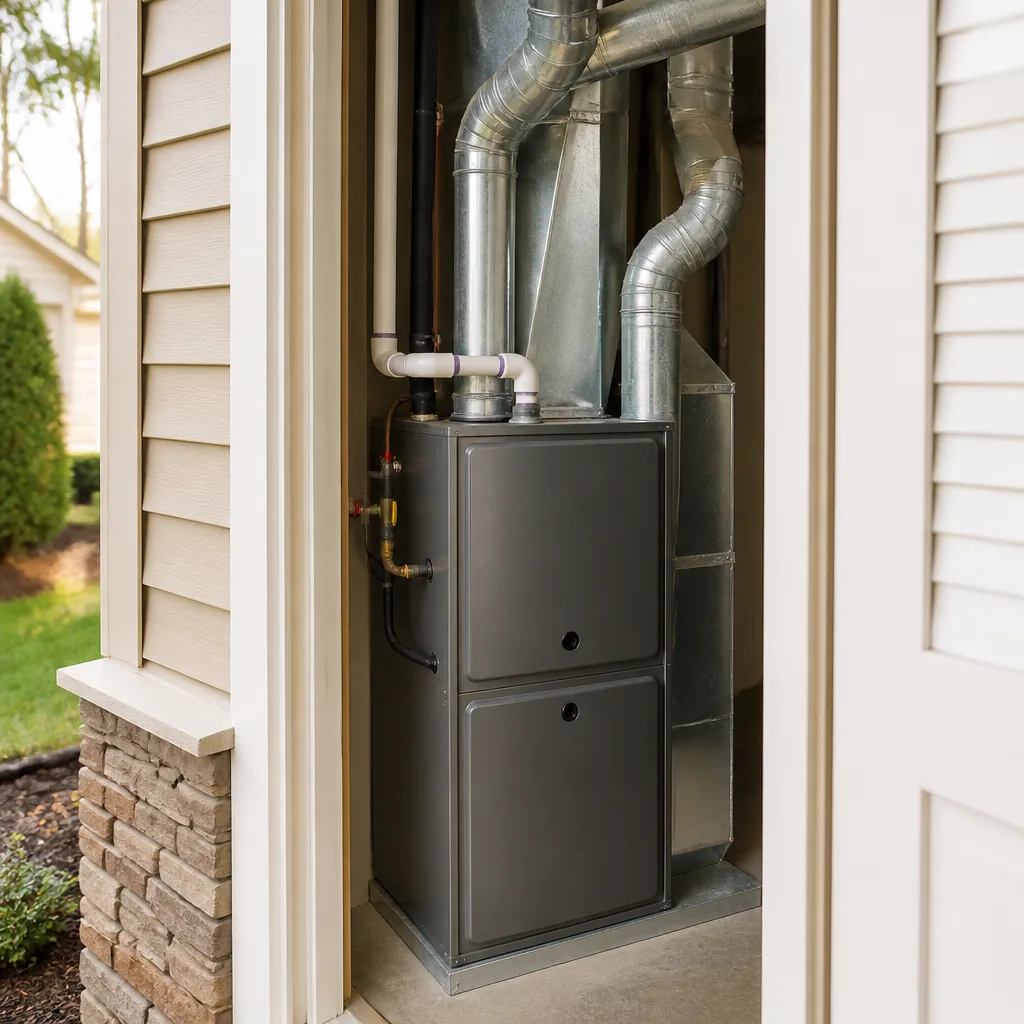
 Furnace & heating
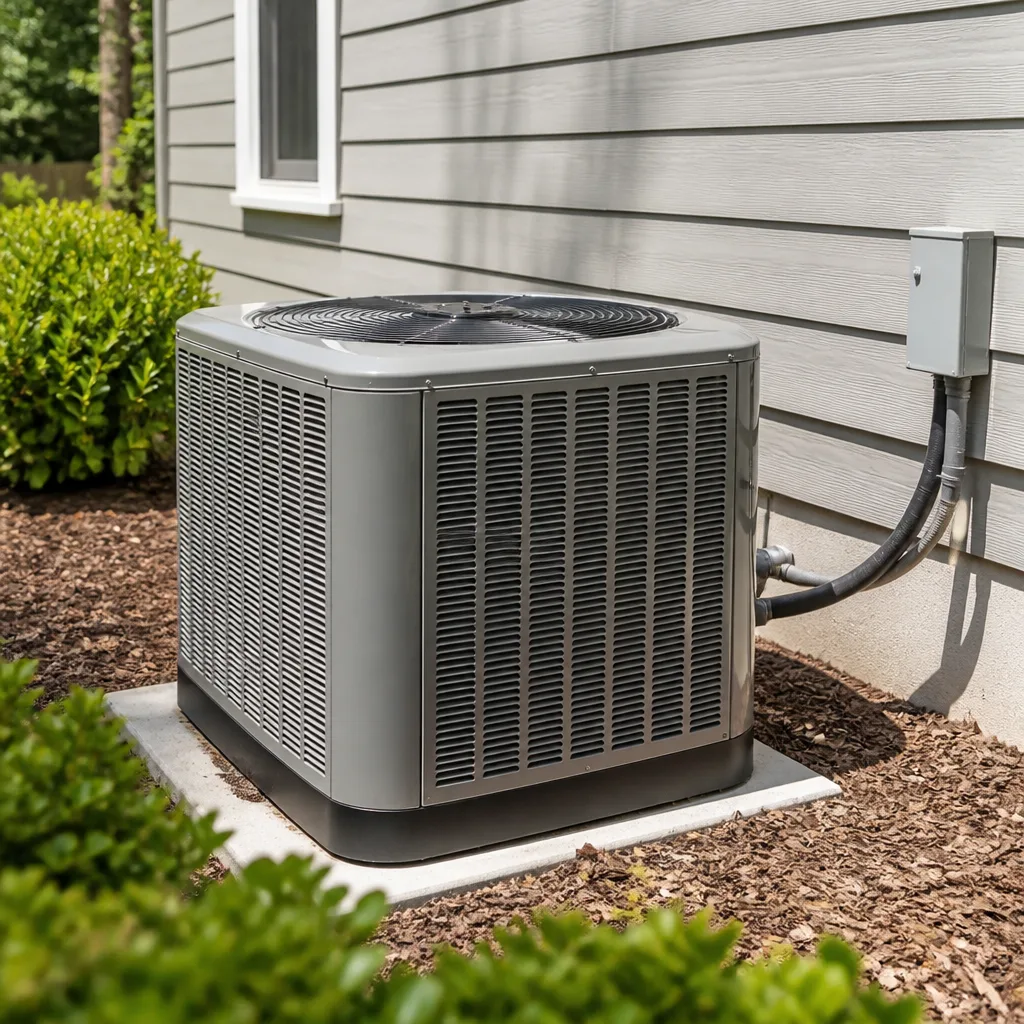 AC repair
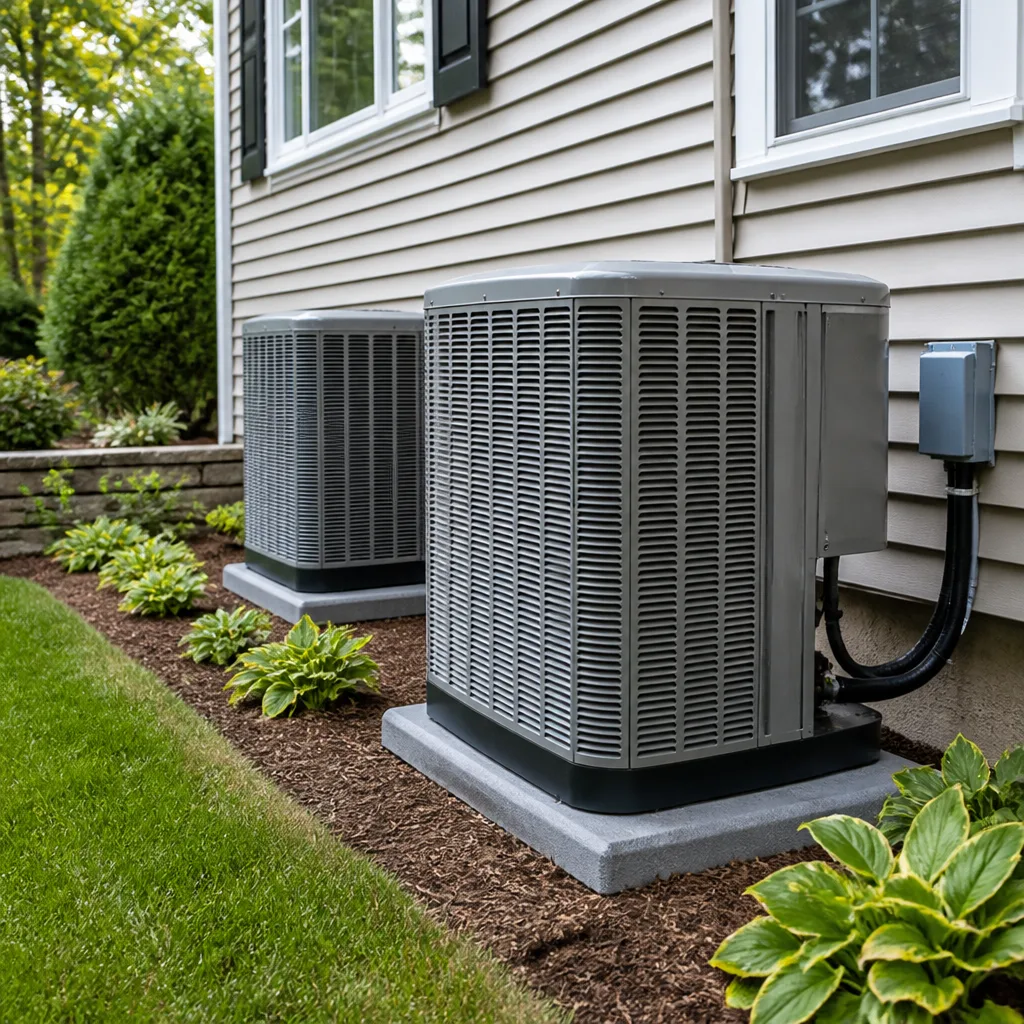 Heat pumps
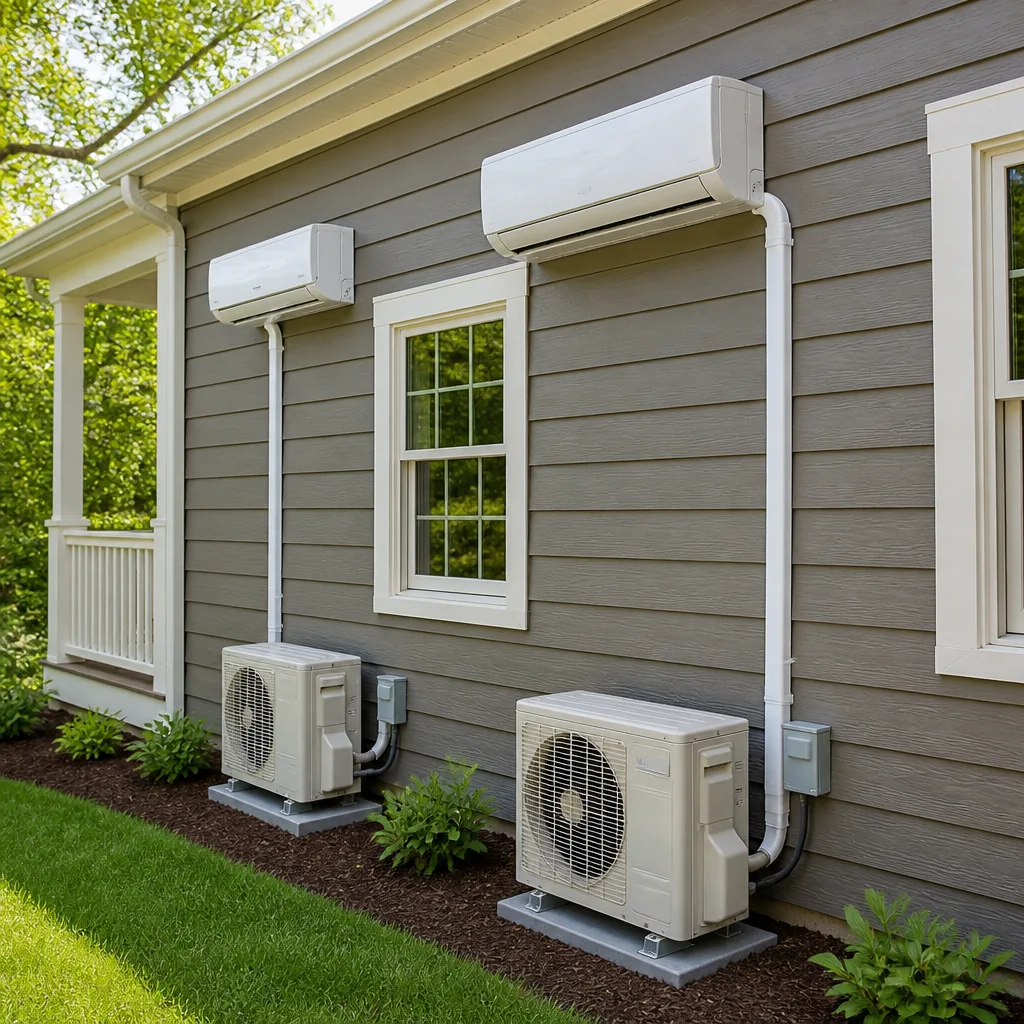 Ductless mini splits
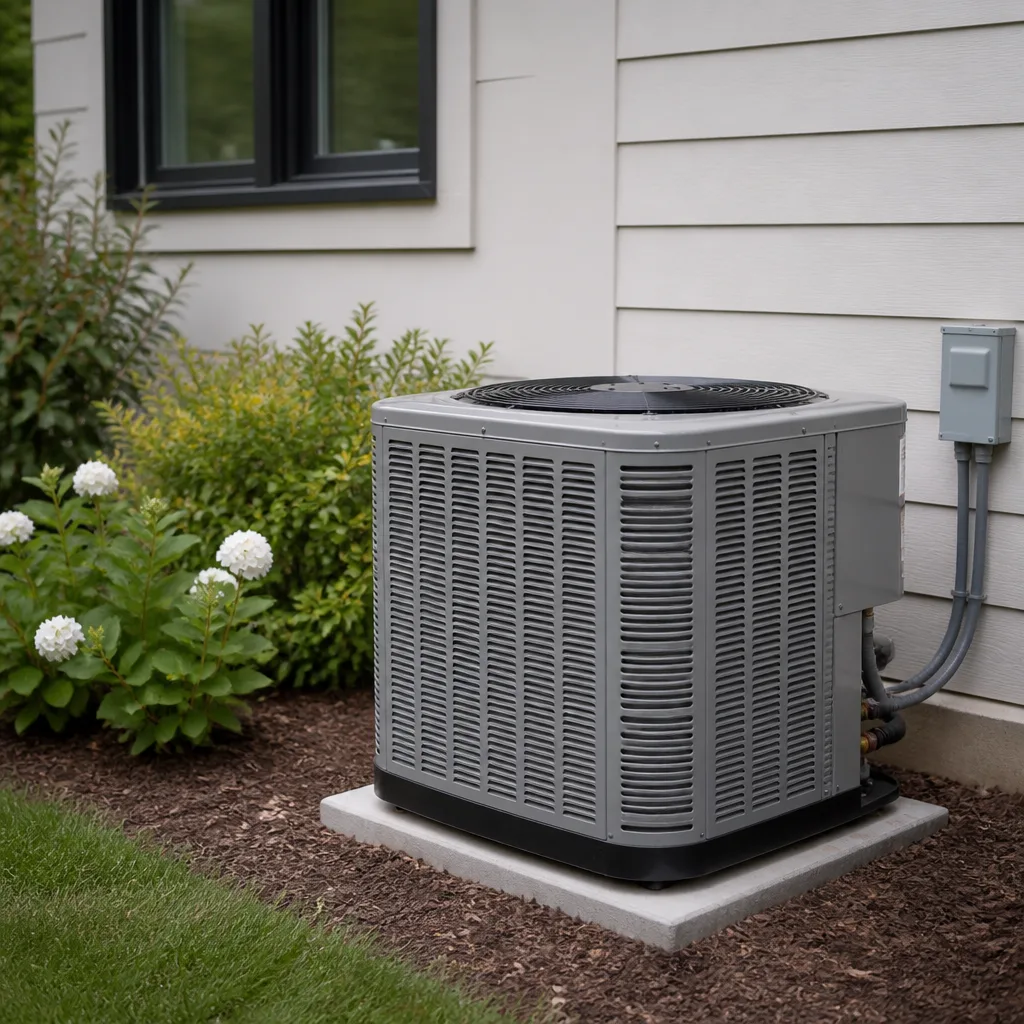 Carrier
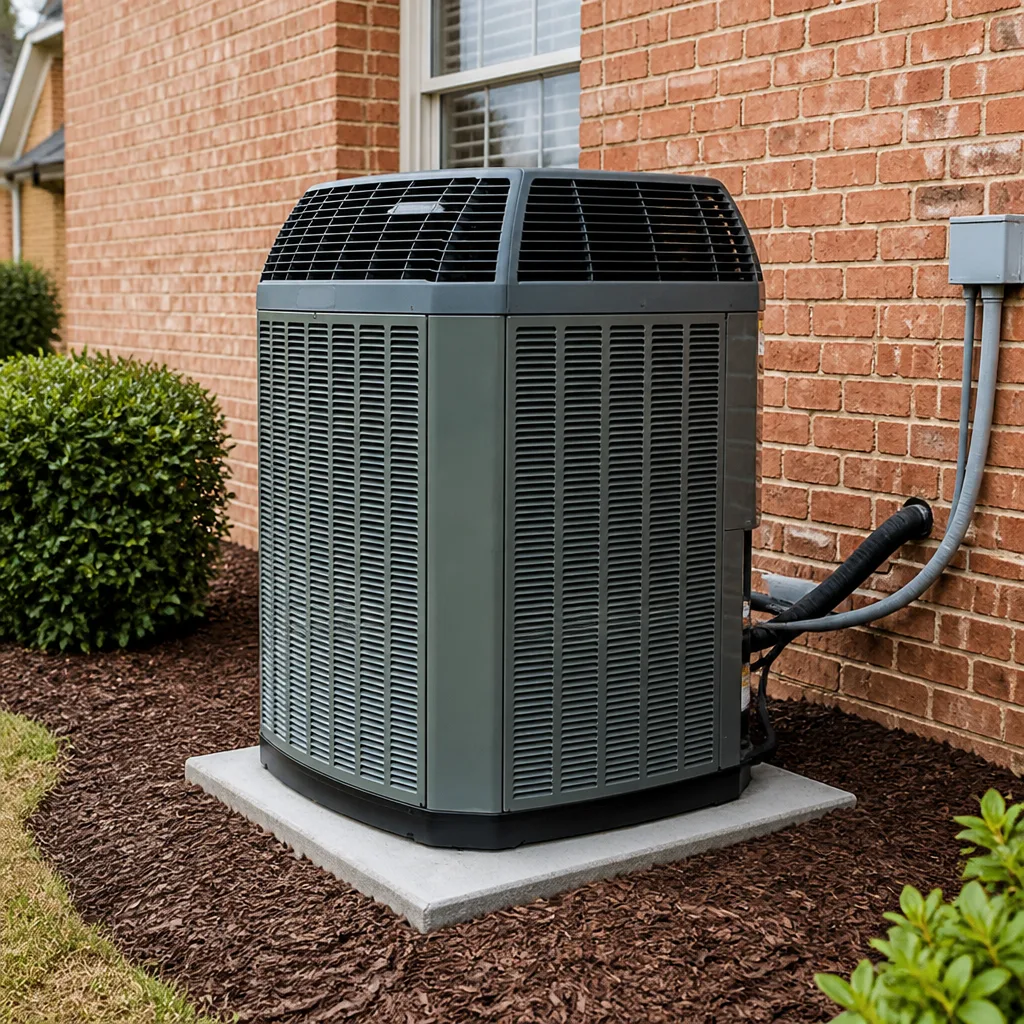 Trane
Trane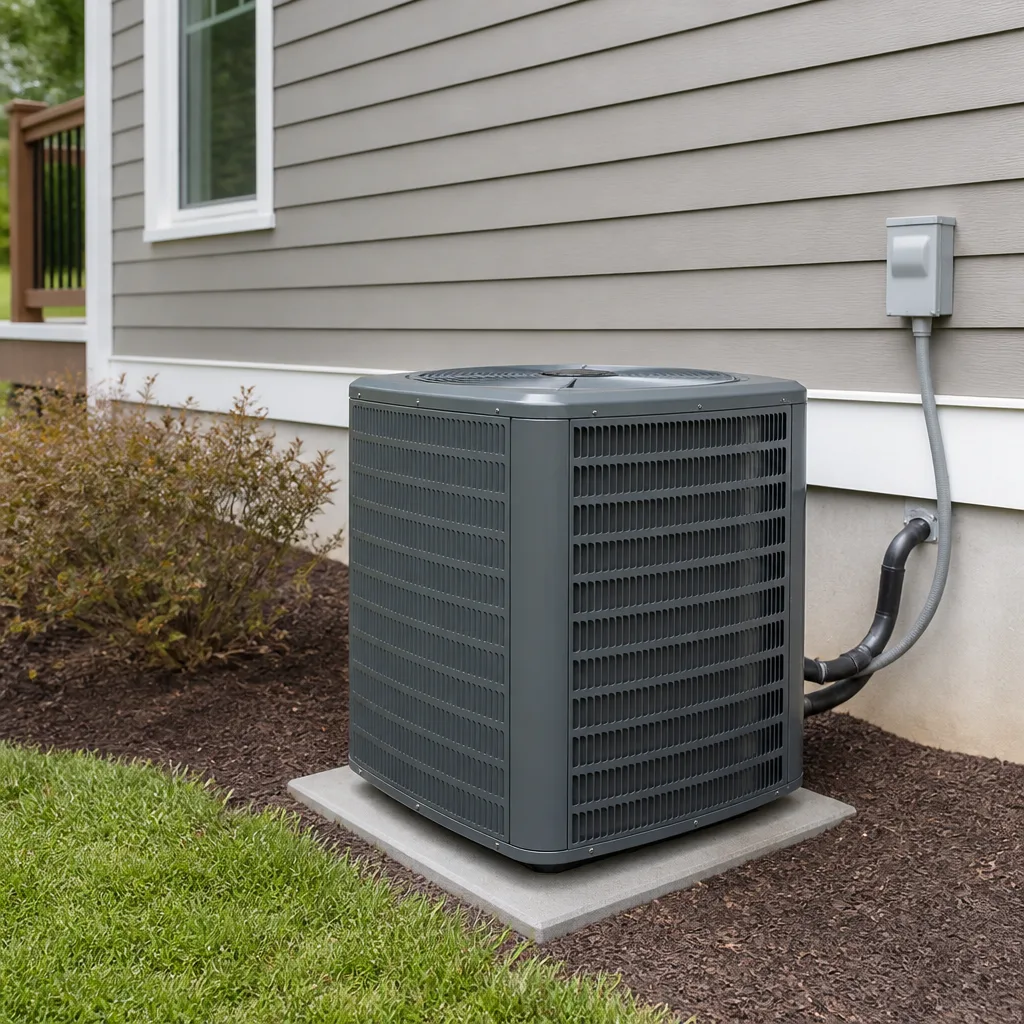 Goodman
Seasonal tune-up and full diagnostic on your Carrier, Trane, or Goodman system - readings shown to you before any repair is proposed
Diagnosis first, numbers second - you approve the repair price before a single part goes in.
Get your free estimateTrane Mini-Split Installation: The Marietta Owner’s Guide
A Trane mini-split installation in Marietta typically runs between $3,500 and $7,500, depending on the system size, the number of indoor units, and whether your existing electrical setup can support the new equipment. We stock Trane-compatible components and complete most single-zone installations in one day, with the written price handed to you before any work begins. If you’re reading this, chances are your current mini-split has either failed outright or is limping along, and you want a straight answer on what a replacement actually costs in Cobb County rather than a vague “it depends.”
Here’s the other thing most Marietta homeowners tell us when they call: they’ve already had one company quote a price over the phone, then watched that number climb once the technician arrived. That is exactly the problem the written estimate solves. The price you approve is the price you pay. No add-ons, no surprises, no squinting at fine print after the fact.
Which Trane Models This Applies To
We install, service, and stock parts for Trane’s ductless line, which includes the M-Series (indoor wall, floor, and ceiling-cassette units), the A4 Ductless line, and older Mitsubishi-rebranded Trane units that appeared in Georgia homes during the mid-2000s. If you have a Trane mini-split that is more than eight years old, it may be one of those rebranded models, and that matters because some of those parts are no longer manufactured. We know which ones can be cross-referenced with current OEM replacements and which ones signal that the system has reached the end of its practical life.
To identify your exact model, check the rating plate on the side of the outdoor condenser. The model number starts with “4MXW” or “4TXM” for current M-Series equipment, and the indoor unit will have its own plate behind the front cover. Write both numbers down before you call us. It saves a trip, and it lets us confirm compatibility the first time. For Trane specifically, we recommend OEM parts when the system is still under warranty or when the part is a proprietary control board. For out-of-warranty units, quality aftermarket options from the same manufacturers Trane uses often deliver identical performance at a much lower price, and we’re happy to walk you through that choice honestly. We also carry parts for Carrier and Lennox systems, so if you have a mixed-brand setup, we can still help.
One compatibility note many homeowners miss: Trane mini-splits manufactured after 2018 require a specific communication protocol between the indoor and outdoor units. You cannot mix a new indoor head with an older condenser just because the physical connections line up. The system will throw a communication error code and never run properly. We flag this before ordering any equipment so you don’t end up with a mismatched setup.
Styles & brands we work with
Signs Your Trane Mini-Split Installation Is Failing
Knowing these symptoms early saves money. A compressor that fails slowly usually takes other components down with it, and in Marietta’s humid summers, a mini-split that loses capacity becomes obvious fast. Here is what we see most often:
- The unit runs constantly but the room never gets cool. This usually means low refrigerant, a failing compressor, or a clogged condenser coil. Low refrigerant points to a slow leak, which has to be found before the system is recharged, or you’ll be back in the same spot next season.
- Water dripping from the indoor unit or staining the wall below it. The condensate drain line is plugged or the drain pan is cracked. In Marietta’s humidity, a mini-split pulls gallons of moisture out of the air every week, so this problem never fixes itself.
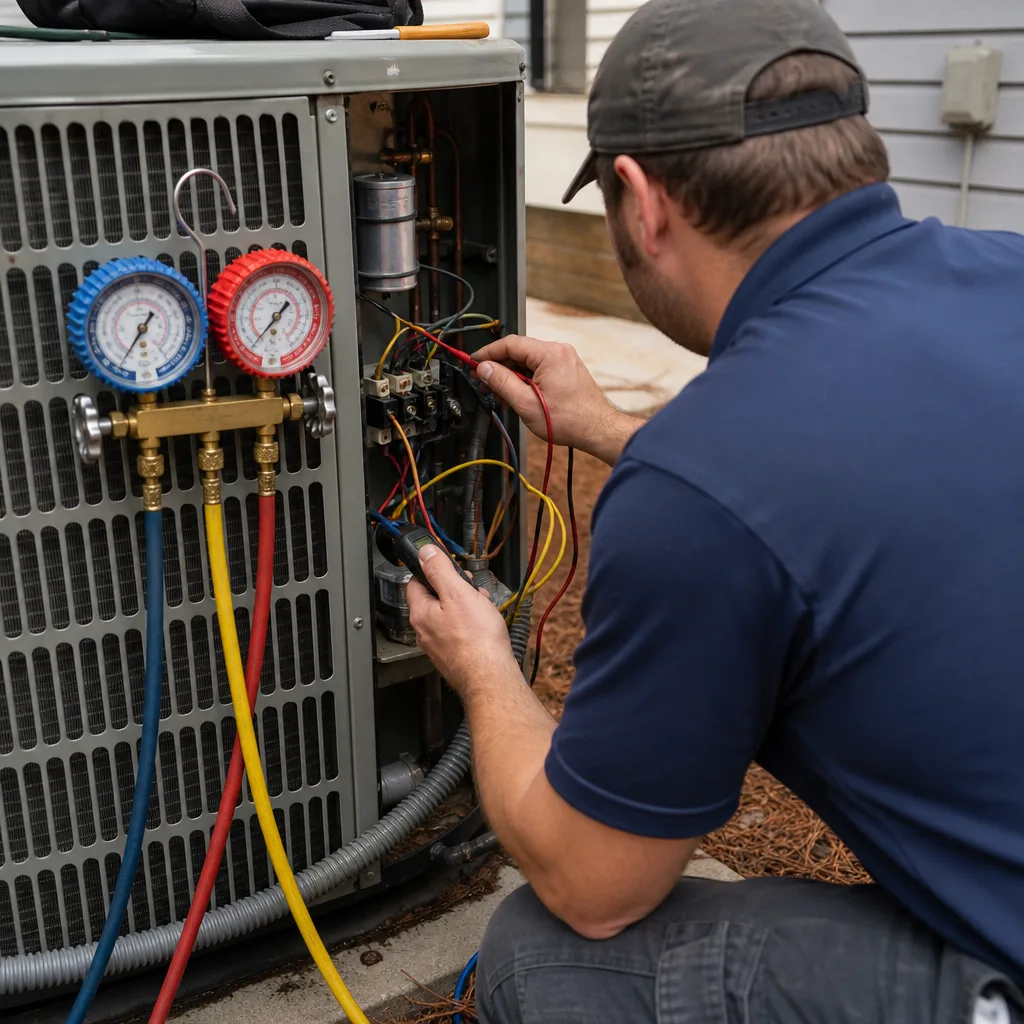
- A burning smell or a loud buzz from the outdoor unit. This is almost always electrical: a contactor arcing, a capacitor swelling, or a compressor that is drawing too much current and overheating. Turn the system off at the breaker and call us. Running it risks permanent compressor damage.
- Error codes flashing on the indoor unit display. Trane codes like E0, E1, or E3 indicate communication failures or temperature sensor faults. Some are simple sensor swaps. Some are board failures. We diagnose from the code sequence and tell you the price before opening anything.
- The compressor short-cycles: it kicks on, runs a few minutes, then shuts off. Repeated short-cycling is a classic sign of an overcharged system, a failing thermostat, or a compressor that is overheating internally. Left alone, it takes out the compressor completely, and that is the most expensive single component in the system.
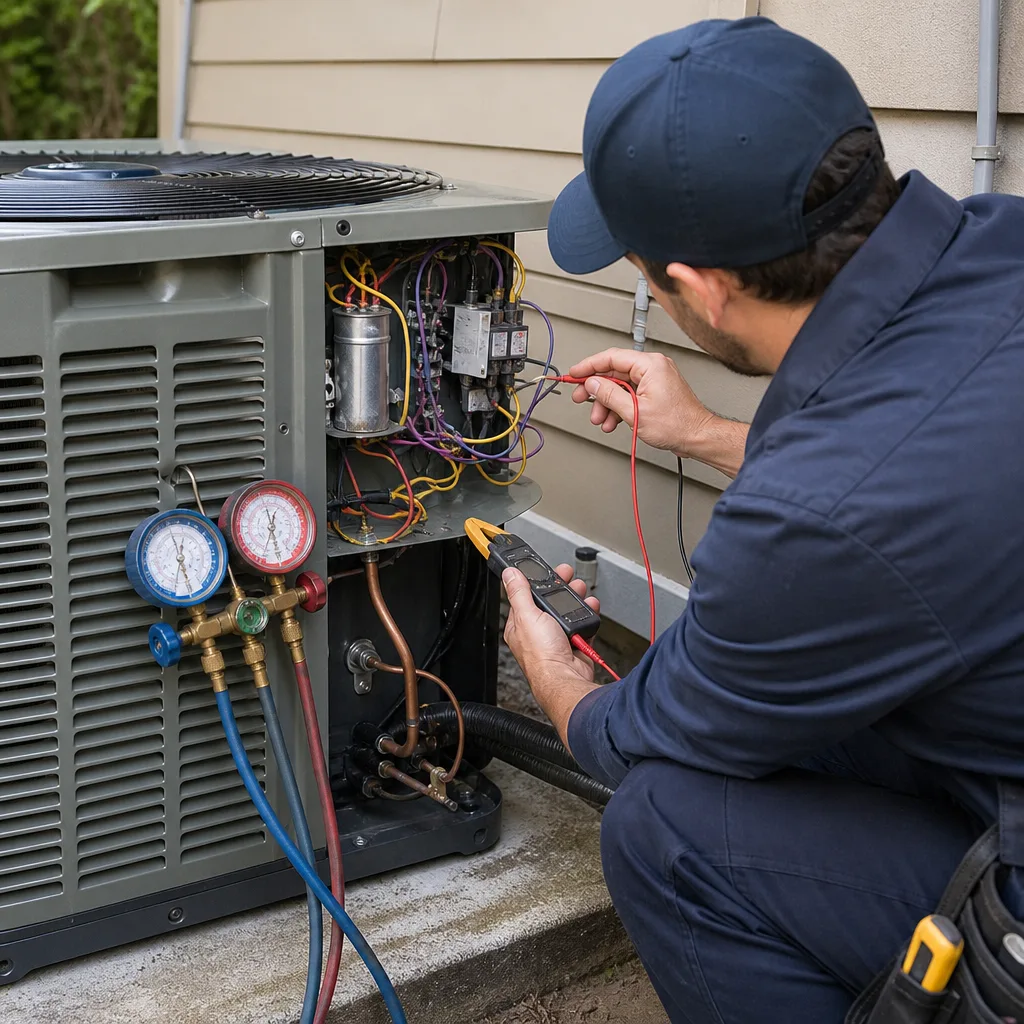
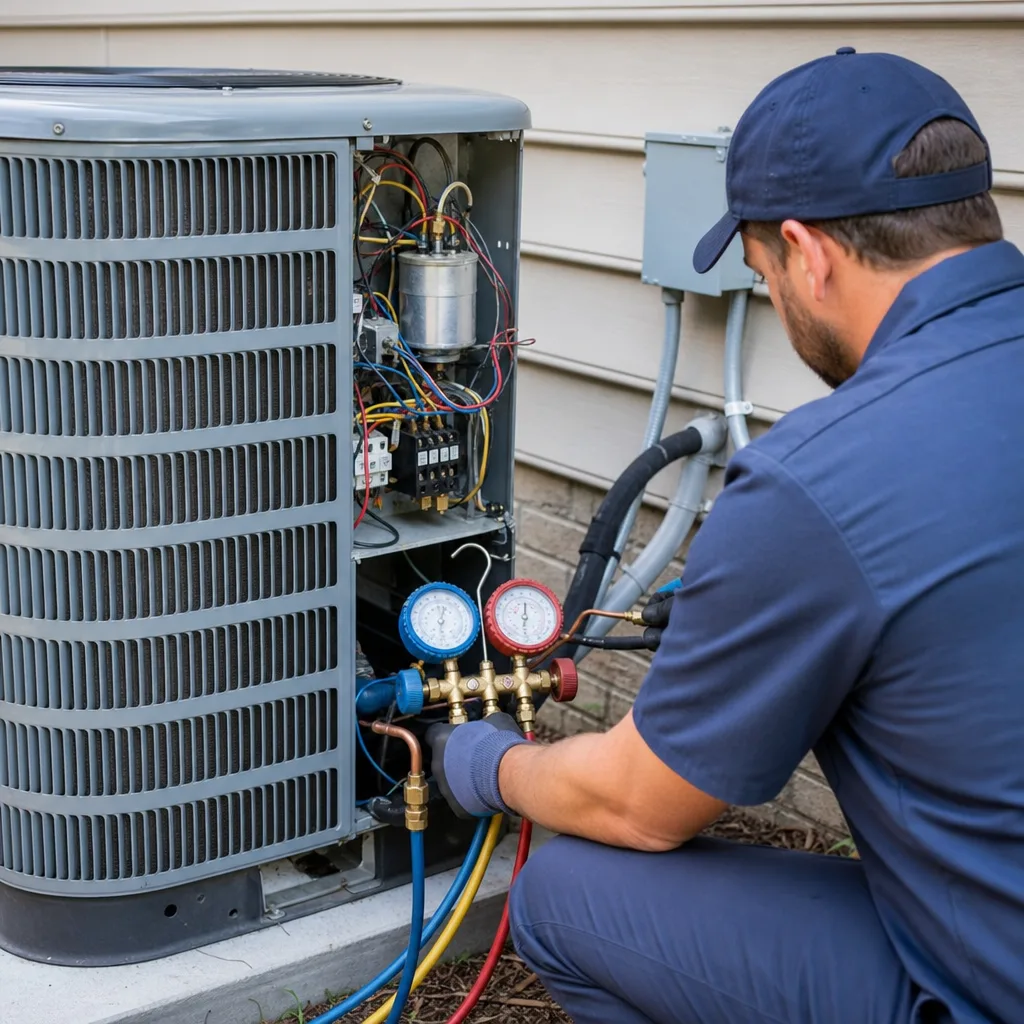
See the difference
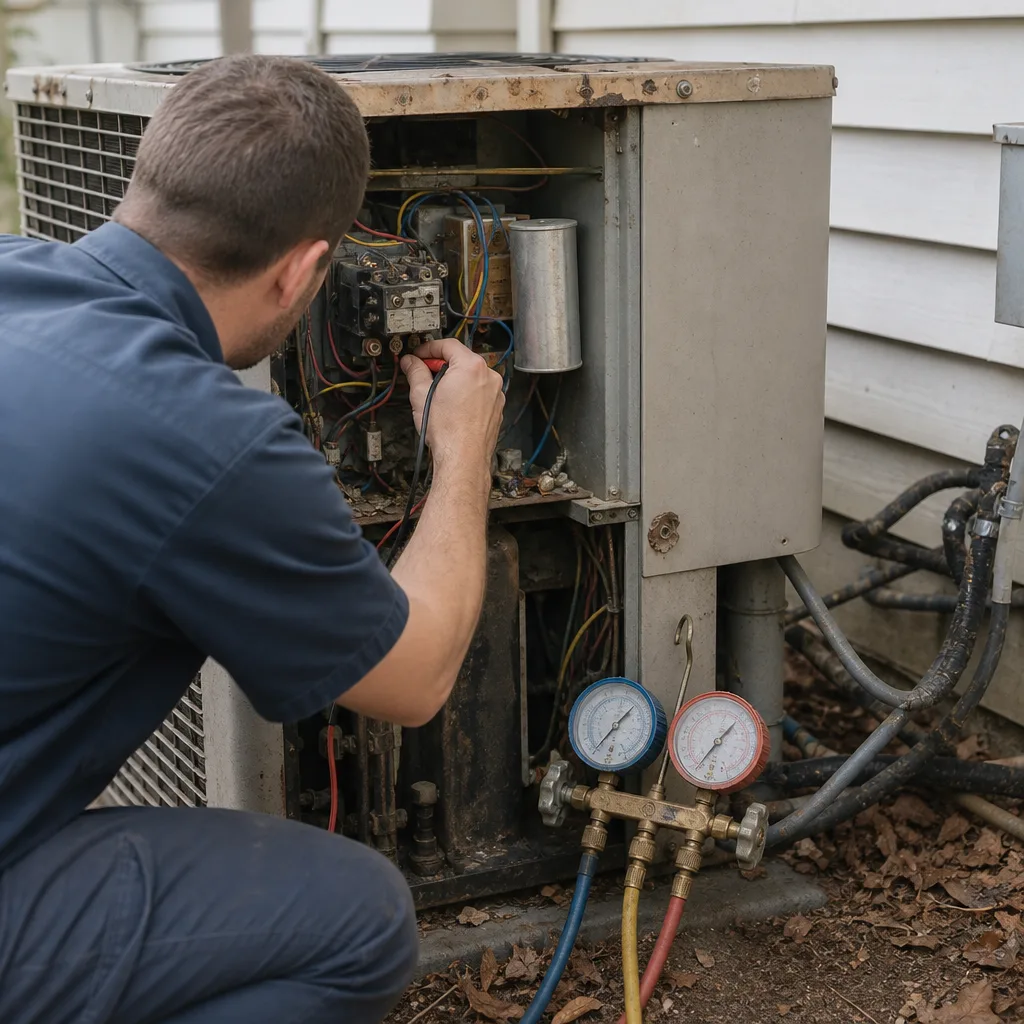 Before
 After
After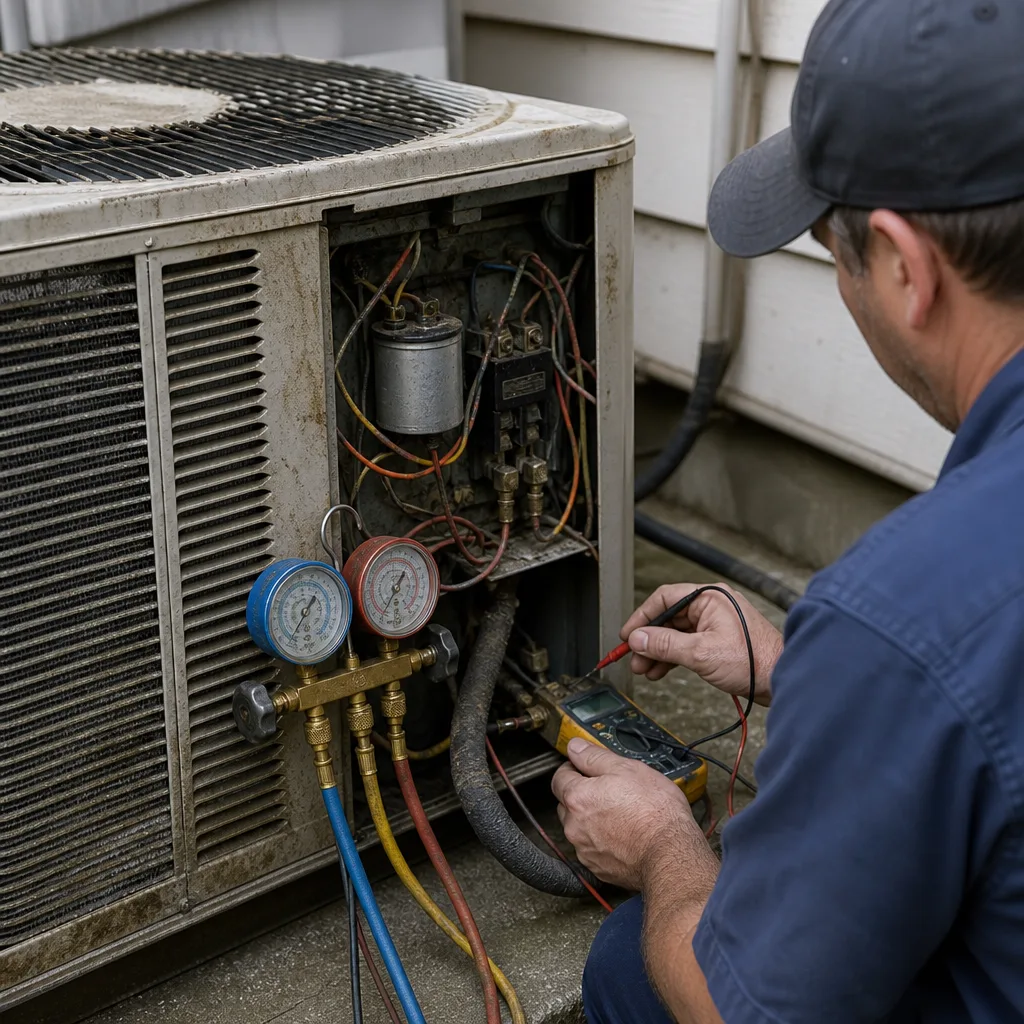 Before
 After
After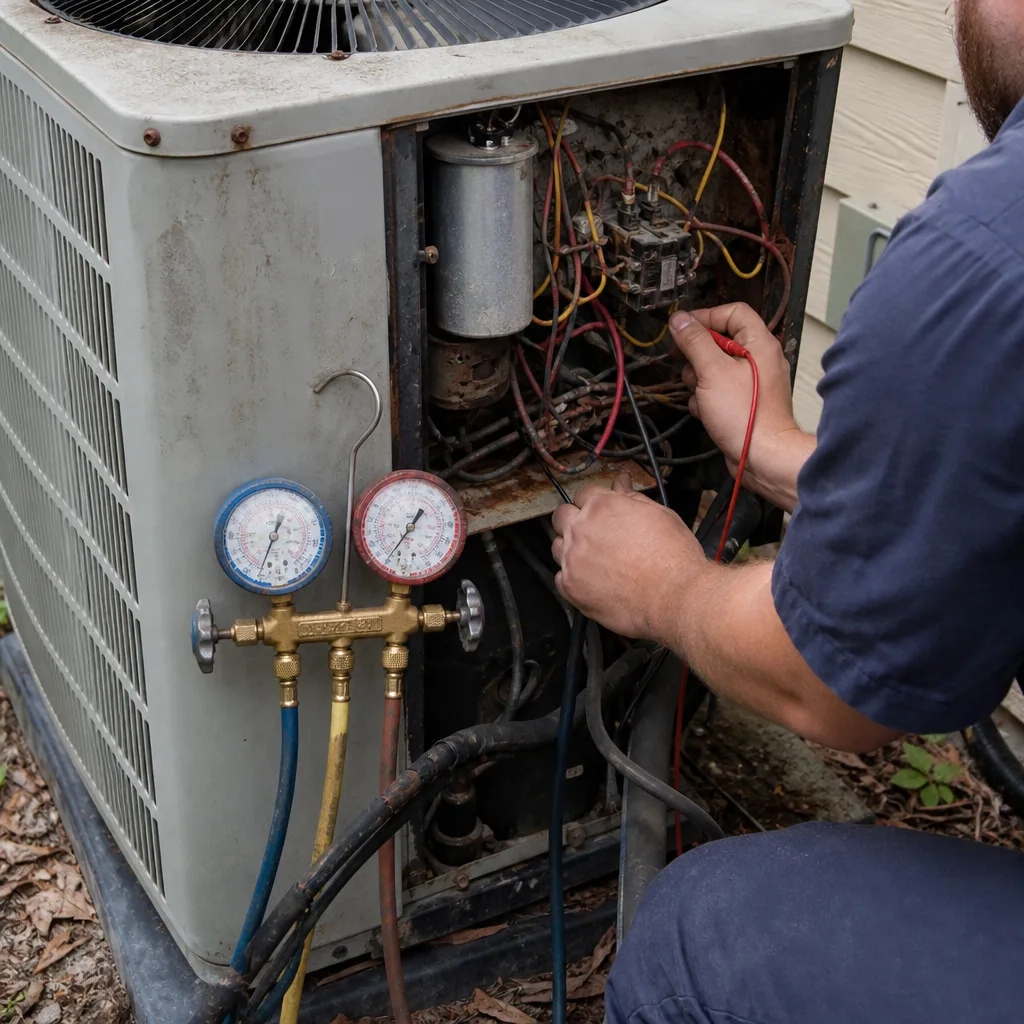 Before
 After
AfterReplacement Cost & What’s Included
For a Trane mini-split installation in Marietta, expect to pay between $3,500 and $7,500, fully installed. A single-zone 12,000 BTU system for a bedroom or home office sits at the lower end. A multi-zone setup with two or three indoor heads feeding a larger area of the house lands at the higher end, especially if we need to run new electrical circuits or upgrade the breaker panel. Here is the breakdown by scope:
- Single-zone replacement (1 indoor wall unit, 12k – 18k BTU): $3,500 – $4,800
- Single-zone larger capacity (24k BTU, open floor plan): $4,200 – $5,600
- Multi-zone installation (2 – 3 indoor units, one outdoor condenser): $5,500 – $7,500
Every quote includes the equipment, line set, refrigerant, electrical work, wall penetration sealing, and a clean job site when we leave. The written price covers everything. If the installation requires unexpected electrical upgrades, we explain it, put the new number in writing, and wait for your approval before proceeding. Every installation is backed by our 365-Day Done Right Promise: if anything related to our workmanship fails within a year, we return and correct it at no charge. That guarantee is on paper, not verbal.
DIY or Call Us?
There are two things a homeowner can safely do when a mini-split misbehaves. First, clean the return air filter on the indoor unit. A clogged filter causes exactly the same symptoms as a refrigerant problem and is free to fix. Second, confirm the outdoor unit is not buried in leaves, grass clippings, or pine needles, because restricted airflow overheats the compressor fast.
What you should not do is open the sealed refrigerant circuit or start probing the electrical compartment. Mini-splits run on 220-240 volts even when the system is “off” at the thermostat. You need EPA Section 608 certification to handle refrigerant legally, and the refrigerant itself can cause serious frostbite burns if it escapes under pressure. We’re not trying to scare anyone, but we’ve repaired enough homeowner attempts to say plainly that one wrong move costs more than a service call. If your Trane is showing error codes, short-cycling, or dripping, call us at (762) 240-5599 and we’ll give you a straight answer on what it needs and what it costs.
FAQs
A single-zone replacement typically takes four to six hours from start to finish, including removing the old equipment, installing the new indoor and outdoor units, running the line set, and confirming proper pressures and temperatures. Multi-zone jobs usually run one full day, sometimes a day and a half if new electrical circuits are needed. We schedule a firm arrival window, not a “sometime between 8 and 5” arrangement, and Victor Mancini holds the crew to it. Call (762) 240-5599 and we’ll give you a realistic timeline for your specific setup.
Yes, when the failure is isolated to a part like a capacitor, fan motor, temperature sensor, or control board. Those repairs generally run $150 to $650, and they’re covered by our 365-Day Done Right Promise. When the compressor itself has failed on a system that is seven-plus years old, replacement usually makes more financial sense than a compressor swap, which can cost close to the price of a new outdoor unit. We’ll show you the numbers for both options and let you decide.
We keep the most common failure items stocked: capacitors, fan motors, thermistors, drain pumps, remote controls, and common control boards for current Trane M-Series units. Less common parts, like specific indoor-head control boards or proprietary compressor inverters, we order from our local Atlanta-area supplier and typically have them within one to two business days. If your system is under warranty, we handle the parts claim with Trane directly so you’re not the one filling out forms.
Humidity is the quiet killer. Marietta’s summer air carries more moisture than a mini-split is designed to shed without regular maintenance, and that condensed water can overwhelm drain systems, corrode electrical contacts, and drive microbial growth on coils and blower wheels. Add in Georgia pollen season clogging outdoor coils every spring, and systems that get annual maintenance typically last 12 to 15 years here, while neglected units often struggle past seven or eight. A yearly tune-up, at $80 to $200, is the cheapest insurance you will ever buy for a Trane.
Written by Victor Mancini, Owner, Cold Harbour Heating and Air Marietta at Cold Harbour Heating and Air Marietta, serving Marietta and nearby areas.