
Last updated October 16, 2026
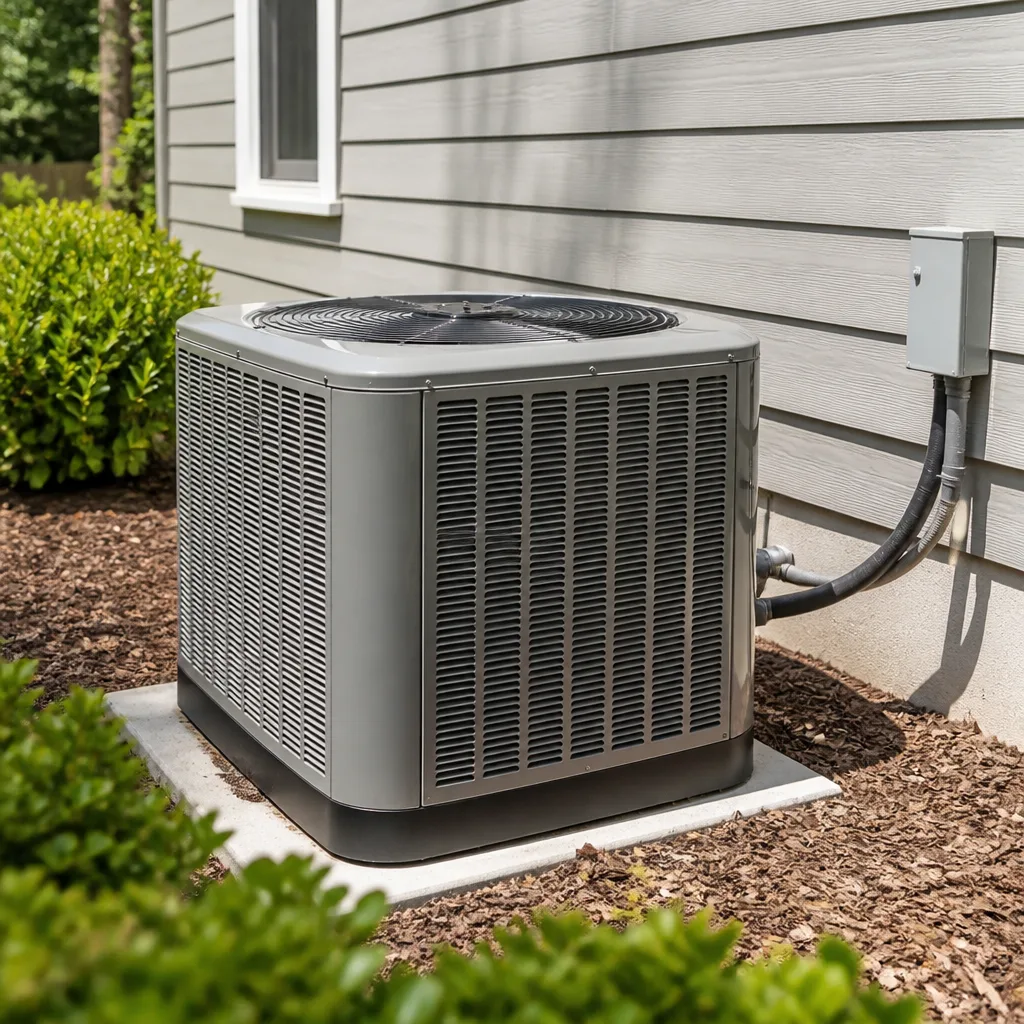 AC repair
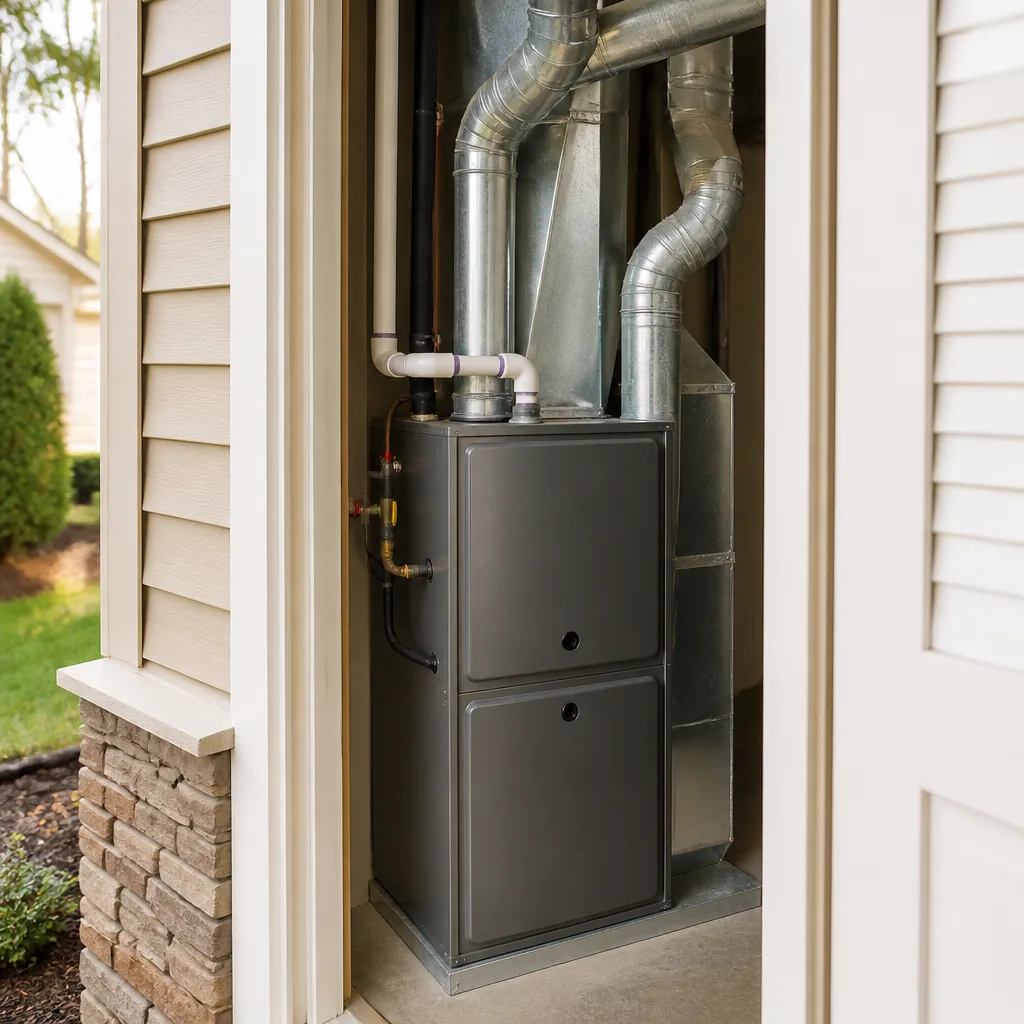 Furnace & heating
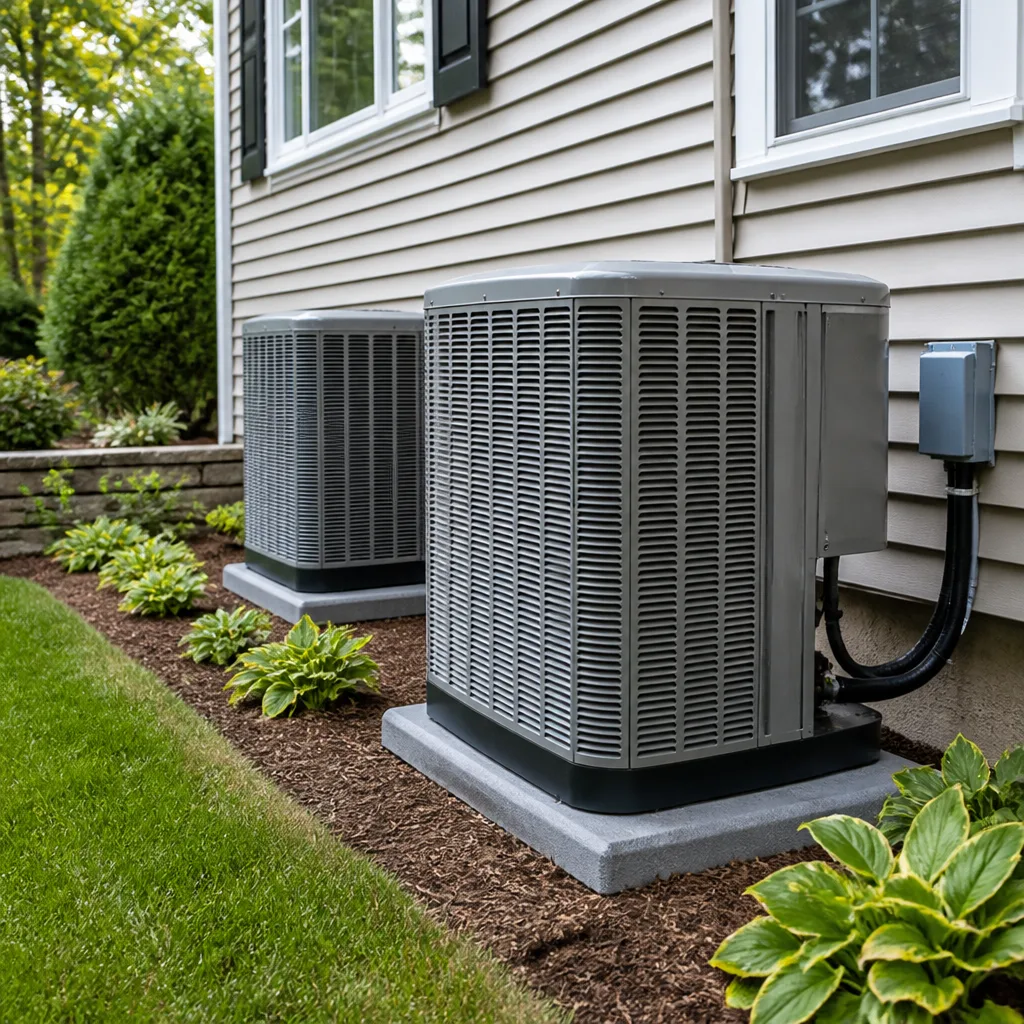 Heat pumps
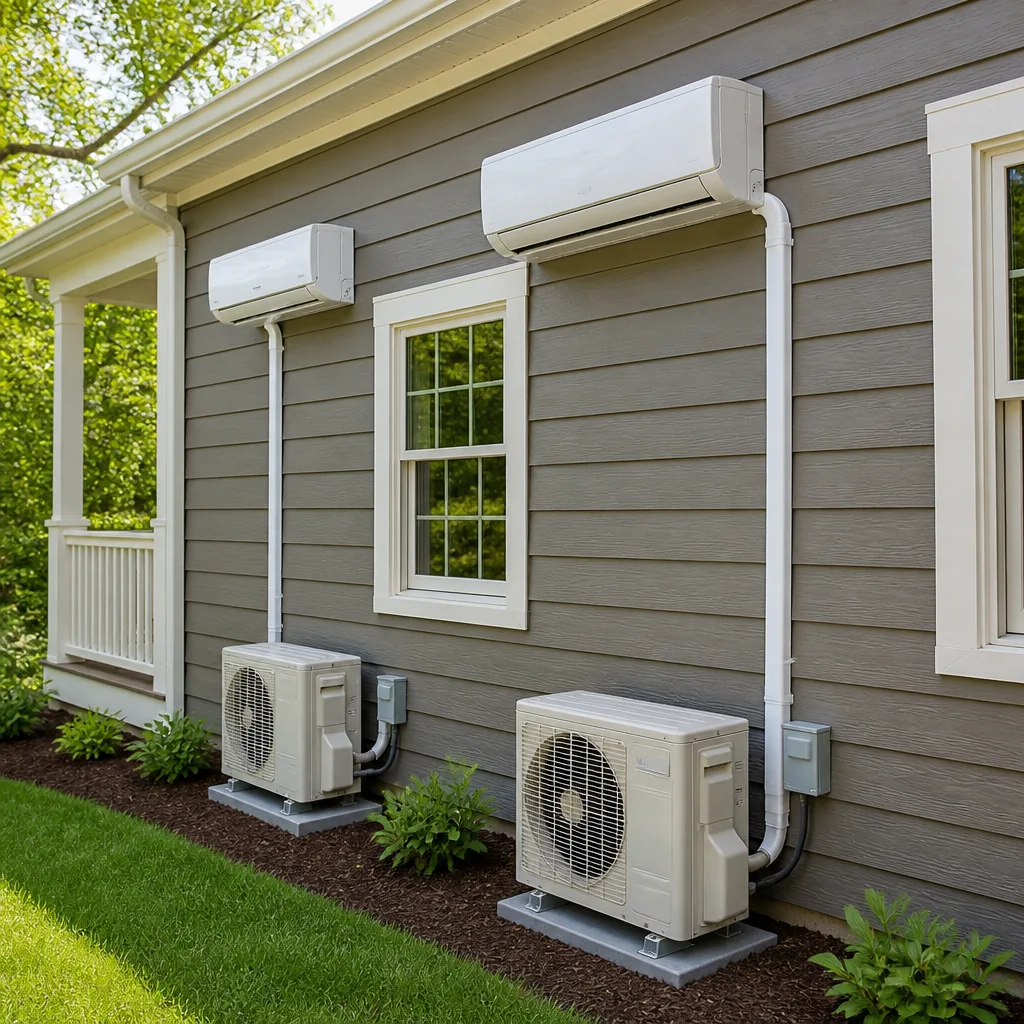 Ductless mini splits
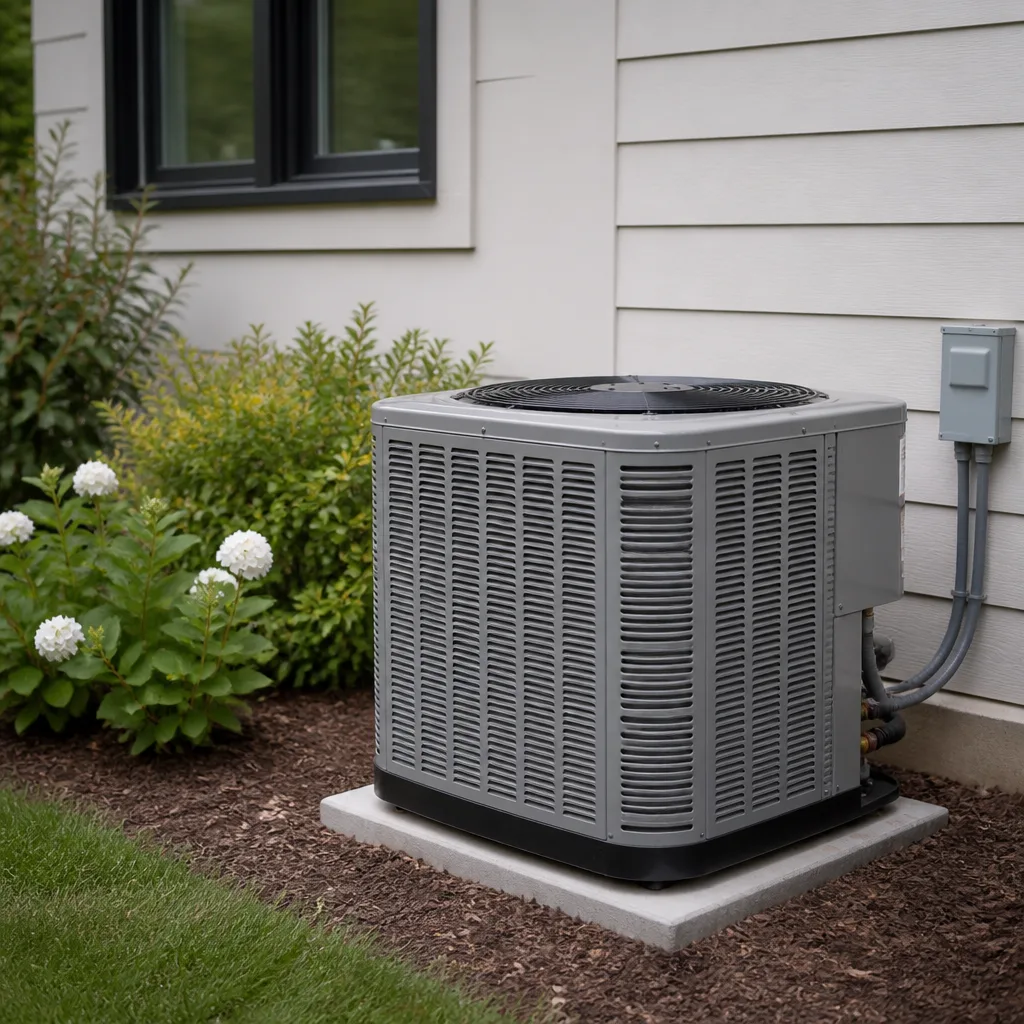 Carrier
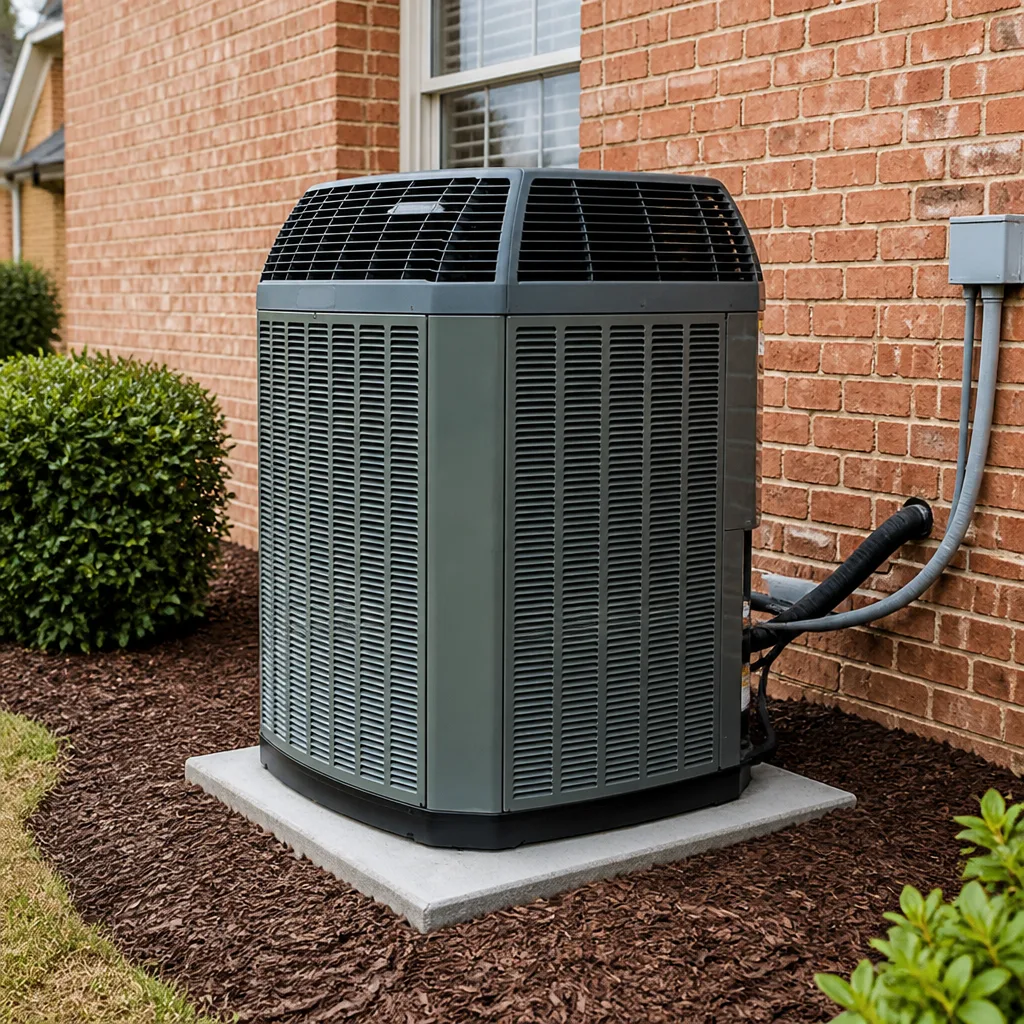 Trane
Trane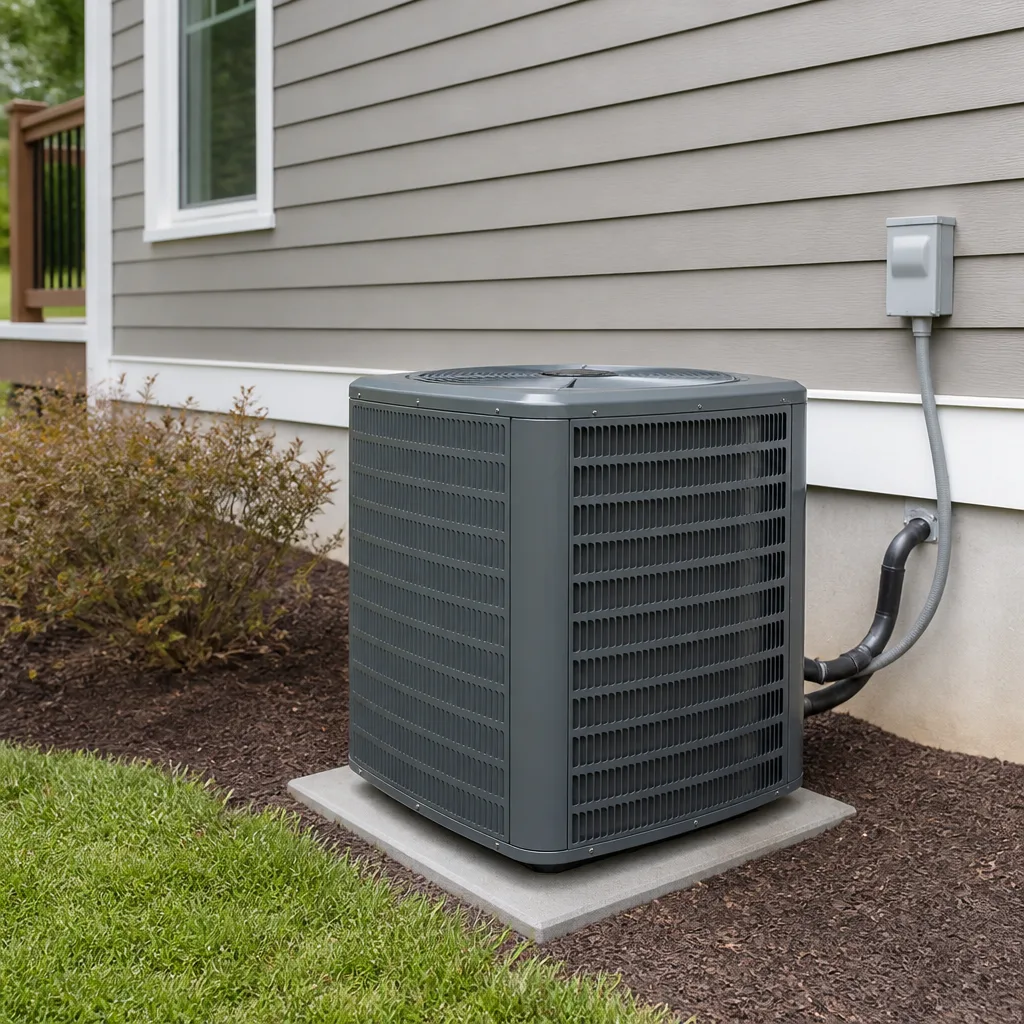 Goodman
Seasonal tune-up and full diagnostic on your Carrier, Trane, or Goodman system - readings shown to you before any repair is proposed
Diagnosis first, numbers second - you approve the repair price before a single part goes in.
Get your free estimateAC Repair Maintenance Checklist for Marietta Homeowners
Here’s a pattern we’ve watched repeat itself for more than two decades in Cobb County: on the first 95-degree afternoon of June, the phones light up with the same five emergency calls. Not one of them starts with a dead compressor. They start with a clogged drain line, a dirty condenser coil, a failed capacitor, a low refrigerant charge that was slowly leaking for months, or a filter so packed with pollen it collapsed into the blower. The frustrating part is that every one of those failures gives warning signs weeks before it strands a family in a hot house. This checklist is built backward from the calls we actually take in Marietta, and it’s organized so you can stop the five most common failures before they happen. For more guides & resources, explore our blog. If you own a home here, you already know the humidity is the real opponent. What follows is how we beat it.
Quick Answer
The most effective AC maintenance checklist for Marietta homeowners is organized by season and by failure type, not by generic spring and fall tasks. In Marietta’s climate, the five tasks that prevent the most emergency calls are: clearing the condensate drain line monthly from April through October, keeping the outdoor condenser coil clean of cottonwood and pine debris, checking the air filter every 30 days during heavy pollen and again when Georgia humidity spikes, listening for a clicking contactor or humming capacitor before the first heat wave, and scheduling a written professional tune-up once a year that documents refrigerant pressures and airflow so you can spot slow leaks before they become no-cool calls.
Styles & brands we work with
Table of Contents
- The Condensate Drain Line: Your Most Overlooked Emergency
- Marietta Month-by-Month Maintenance Calendar
- Which Tasks Are Safe for Homeowners, and Which Need a Licensed Tech
- How to Spot a Condensate Drain Problem Before It Floods a Ceiling
- What a Professional Tune-Up Should Document in Writing
- MERV Ratings and Static Pressure: The Filter Mistake That Quietly Costs You
- Common Mistakes to Avoid
- When to Call a Professional
The Condensate Drain Line: Your Most Overlooked Emergency
On a humid July afternoon in Marietta, a running air conditioner pulls gallons of moisture out of the air. All of that water has to leave the system through a narrow PVC pipe called the condensate drain line. When that line clogs, and it regularly does here because of the algae and biological growth that thrives in warm, wet Georgia air, the water backs up into the drain pan. Then it overflows. In a worst case, it soaks drywall, floods a ceiling, or triggers the float switch that shuts the whole system down on the hottest day of the year. We’ve answered emergency calls in neighborhoods from East Cobb to Kennesaw where the total repair was under $100, but the drywall repair ran into four figures.
The fix before the failure is simple. Pour one cup of white vinegar through the drain line once a month from April through October. Vinegar slows the growth of the slime and algae that cause most clogs. If you can get to the outdoor drain port near the condenser, use a wet/dry vacuum to pull the line clear for one to two minutes. You are not performing surgery; you are just keeping a pipe clear the way you’d clear a gutter.
What makes this task so valuable in Marietta specifically is the combination of high humidity and long cooling seasons. Many national checklists treat drain line cleaning as a once-a-year task. In our climate, that is not enough. A system in Marietta can run the AC from March through October. That is roughly seven months of continuous condensate production. A vinegary monthly rinse is the single cheapest insurance policy in this entire guide, and it takes less time than brewing a pot of coffee.
Marietta Month-by-Month Maintenance Calendar
Most checklists split the year into spring and fall buckets. That works in Minnesota. It fails in Marietta because our seasons do not line up with national averages. Here’s the calendar we actually recommend for a Cobb County home, built around what the weather does, not what a generic “home maintenance” article assumes.
- January and February: Change the air filter every 30 days if you heat with a furnace, because the same blower that moves warm air also moves the cold air in summer. A clogged filter in January becomes a frozen coil in June. Check the thermostat batteries if your unit is older and battery-powered.
- March: This is the month when pollen arrives in Marietta before most people have thought about their AC at all. Change the filter even if it does not look dirty. Yellow pine pollen will be visible on the return grille. Wash the outdoor condenser coil gently with a garden hose if you can see pine needles or dried leaves packed into the fins.
- April: Start the monthly vinegar treatment for the condensate drain line, and do not stop until October. Turn the system on for a test run on the first 80-degree day. Listen for any buzzing, humming, or clicking that was not there last year.
- May: Schedule your professional tune-up before the heat arrives. Every company in Marietta gets booked solid by the first week of June. A May tune-up means you pick the day instead of taking whatever slot is left during a heat wave.
- June through August: Change the filter monthly if you have pets, run ceiling fans, or live near construction. Check the outdoor condenser for cottonwood, grass clippings, and dog hair that collects at the base. Keep the area around the outdoor unit clear for 18 inches on all sides.
- September: The heat is not done in Marietta until October, but the first cool nights are a good time to test the heating side so you are not discovering a furnace problem on a 30-degree night in November.
- October: The final vinegar flush of the season, and the last month you are likely to run the AC hard. This is also the month to have the indoor coil inspected if you have not had a tune-up since spring.
- November and December: Keep the outdoor unit covered to reduce leaf and pine debris, but only if you will not be running the AC during a warm snap. In Marietta, we get 70-degree days in December, so a breathable cover that can be removed quickly is better than a sealed one.
This calendar exists because our shoulder seasons are long and unpredictable. A homeowner who follows a national spring/fall schedule will miss the April pollen load and the November warm spell, and those are exactly the weeks when systems in Marietta start falling behind.
Which Tasks Are Safe for Homeowners, and Which Need a Licensed Tech
We are going to be direct here, because doing the wrong thing can cost you more than the repair would have. Some maintenance tasks are designed for a homeowner with no special tools. Others carry real risk to your equipment, your warranty, and in a few cases, your safety. See DIY vs Professional HVAC: The Marietta Homeowner’s Decision Guide to know the difference.
Safe for Homeowners, No Special Tools
- Changing or cleaning the air filter (know your filter size before you buy, it is printed on the old filter frame)
- Clearing the outdoor condenser of leaves, pine needles, grass clippings, and pet hair
- Pouring vinegar through the condensate drain line monthly
- Checking the thermostat batteries and confirming the fan setting is on “auto” rather than “on”
- Keeping the outdoor unit clear of plants, bushes, and stored items for 18 inches on every side
- Listening for unusual sounds during a startup cycle and writing them down with the date
Leave These to a Licensed Technician
- Adding refrigerant. A system does not “use up” refrigerant; if it is low, there is a leak, and fixing the leak is the repair. Federal law requires a licensed professional to handle refrigerant.
- Reading electrical components. A capacitor, contactor, or control board holds voltage even when the system is off. Attempting an electrical repair without training is how people get hurt.
- Any work on your system that is still under manufacturer warranty. The warranty language for many brands, including Trane, Carrier, and American Standard, requires service by a licensed professional or the warranty is void. The risk is not worth it.
- Anything requiring a lift to the roofline of a two-story home. Falls from height are a leading cause of homeowner injury. Your AC is not worth that.
- Inspecting or cleaning an evaporator coil. The coil is buried inside the indoor unit, and accessing it wrong bends the fins and creates a problem that did not exist before.
Here is the simplest way to think about it: if the task requires a refrigerant gauge, a multimeter, or a ladder taller than six feet, call a professional. The money you save on the repair will not come close to the cost of a damaged system, an injury, or a voided warranty. Our technicians at our Marietta AC repair service are trained on nine major residential brands, including Daikin, Bryant, and American Standard, so the person who shows up can work on whatever system is already in your home.
How to Spot a Condensate Drain Problem Before It Floods a Ceiling
Earlier in this guide, we called the condensate drain the most overlooked emergency in Marietta. Here is how to catch it before it becomes a very expensive ceiling repair, because the warning signs are visible if you know what to look for.
The visual cues: Look at the outdoor drain port near your condenser on a hot, humid day when the AC has been running for at least 20 minutes. You should see a steady drip of water. No drip means no drainage, and that water is going somewhere it should not. Inside the home, check the area around the indoor air handler, usually in a closet, attic, or basement. Look for a dark watermark, a rust-colored stain, or a slightly warped section of drywall below the unit. If you see any of those, the drain pan has already overflowed at least once.
The smell cues: A slow drain clog often produces a musty, earthy smell near the indoor unit. That is not the smell of a dirty filter; it is the smell of standing water and the biological growth that comes with it. If you notice the smell gets worse when the system has been off for a few hours, that is another sign of standing water in the drain pan.
The sound cue: Some systems have a float switch that makes a clicking sound or shuts the system down entirely when the drain pan fills. If your AC runs for 10 minutes and then shuts off, restarts, and shuts off again, a clogged drain line is one of the first things to check.
If you catch a slow drain early, the vinegar flush and a wet/dry vacuum are usually all that is needed. If the line is fully blocked, or if water has already seeped into drywall, call before the damage spreads. The cost of a drain line clearing is a fraction of what a ceiling repair runs in Marietta.
What a Professional Tune-Up Should Document in Writing
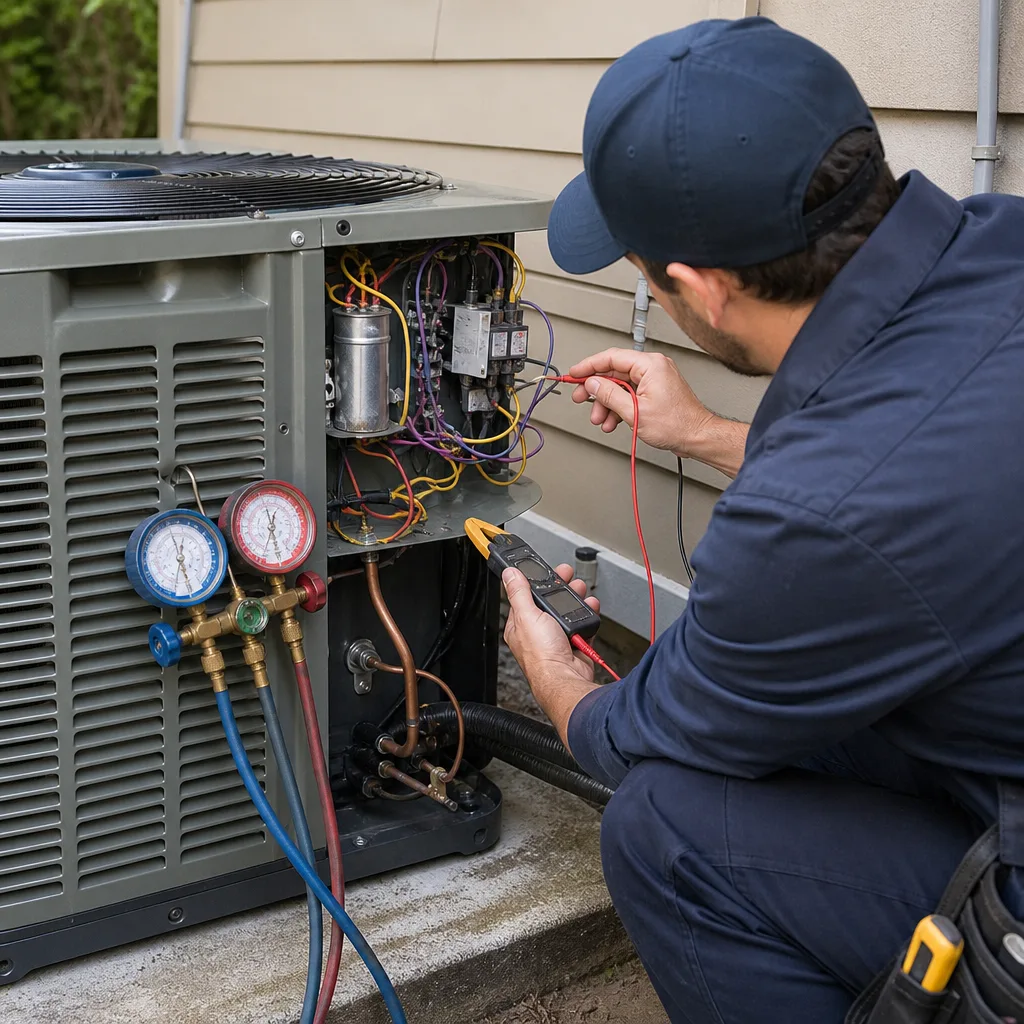
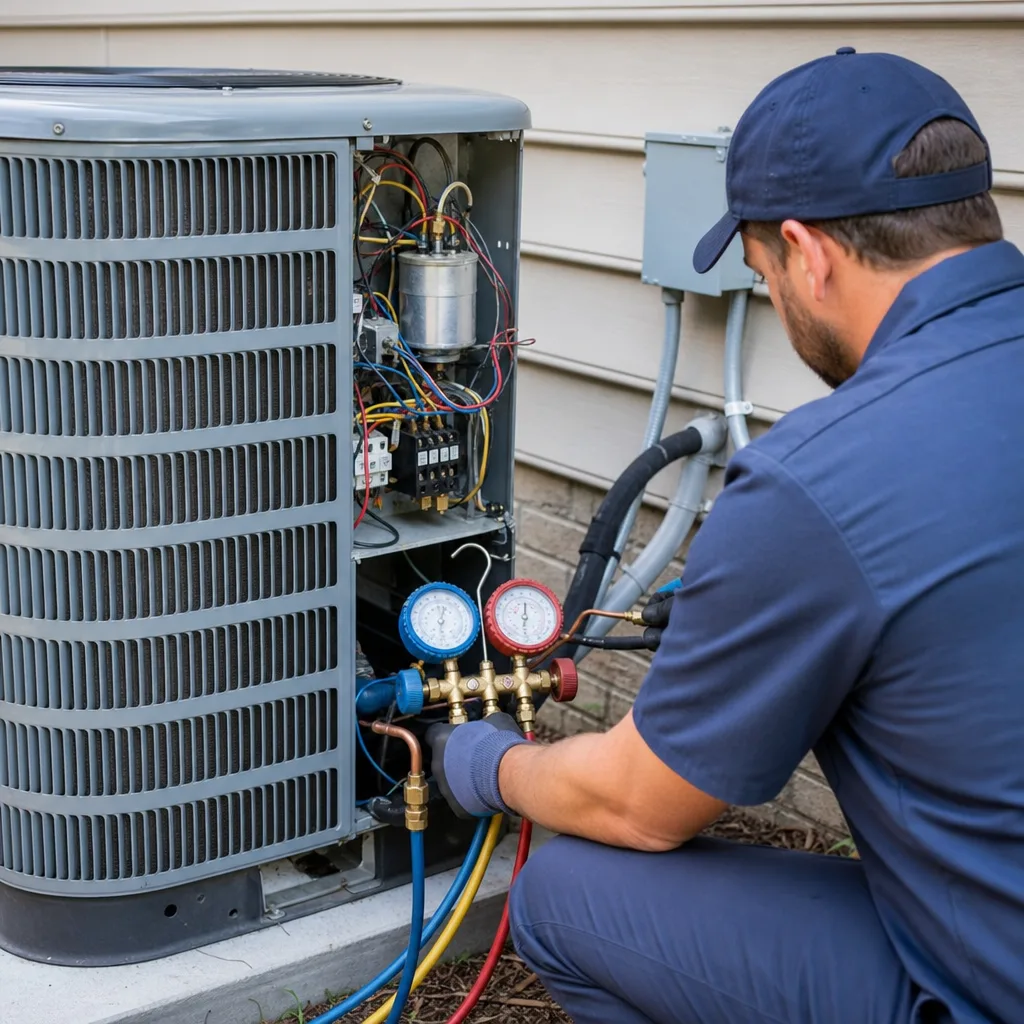
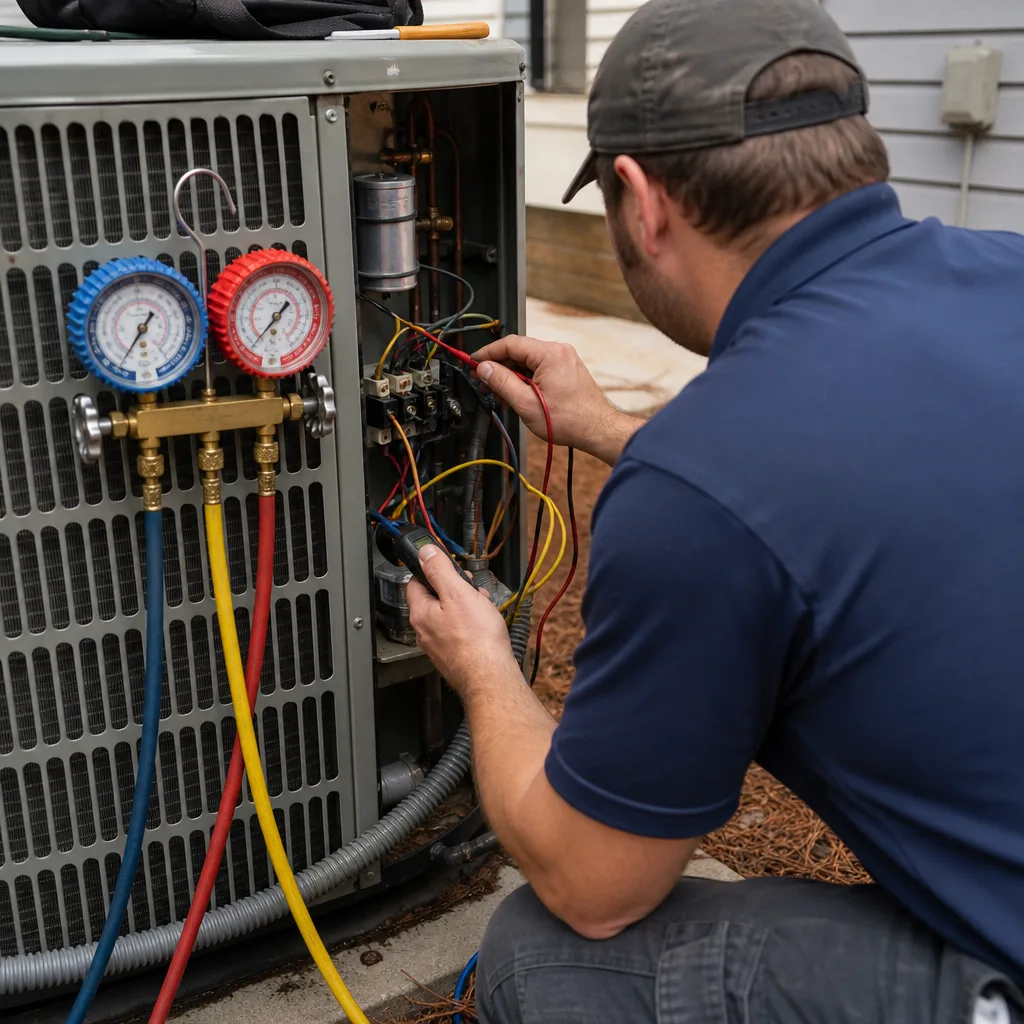
This is where most homeowners get shortchanged, and it is the main reason we recommend a tune-up that produces a written record. A professional maintenance visit should not end with the technician saying “everything looks good” and handing you a receipt. You should receive a document that records specific measurements, because those measurements are the only way to spot a slow decline before it becomes an emergency.
A proper tune-up in a Marietta home should include, in writing, at minimum:
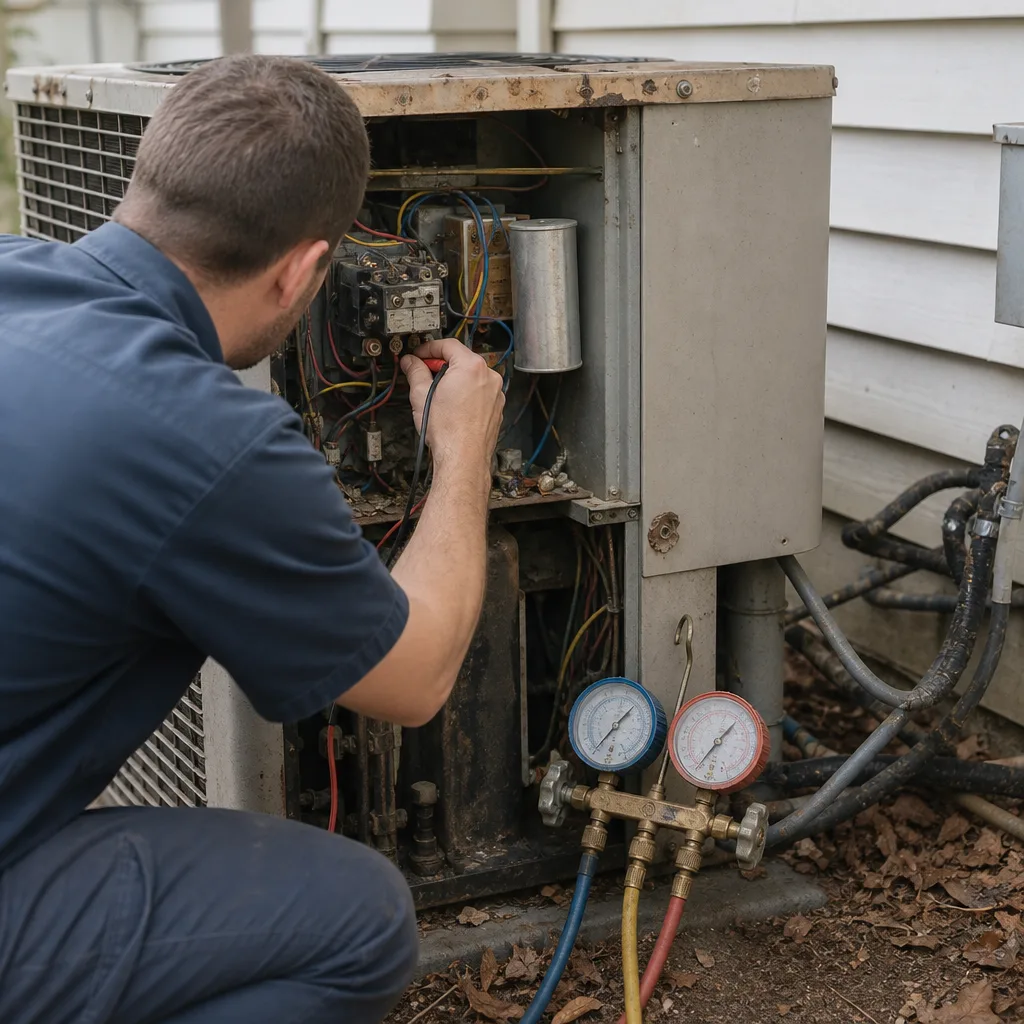
- Suction and head pressures: The refrigerant pressures on both the low and high side of the system. A slow leak will show up as a pressure reading that is slightly low this year and slightly lower next year. Without the numbers, you cannot see the trend.
- Temperature split: The difference between the temperature of the air entering the return and the air leaving the supply vents. A healthy split for most systems is 15 to 20 degrees Fahrenheit. If your split is 12 degrees, the system is working harder than it should.
- Amperage draw: The electrical current the compressor and blower motor are pulling. A motor that is pulling more amps than its rating is working too hard and will fail sooner than it should.
- Capacitor reading: A capacitor is a small, inexpensive part that fails often in Georgia heat. A good technician will test it and note whether it is within its rated tolerance. A capacitor that tests 10 percent below spec is a failure waiting to happen on the next 95-degree day.
- Refrigerant level in writing: If refrigerant is added, the amount should be documented, and the technician should describe what leak check was performed. A system that needs refrigerant every year has a leak, not a maintenance issue.
- Airflow reading: Static pressure across the blower, measured in inches of water column. This number tells you whether your ductwork and filter are letting the system breathe. High static pressure is the quiet killer of compressors and blower motors.
Hold onto these documents in the same folder where you keep your homeowner’s insurance and your appliance receipts. When a repair is needed, this record gives a technician the baseline. At Cold Harbour Heating and Air Marietta, we write down the before and after numbers on every tune-up, not because a customer asked us to, but because the Kingswell Way requires it. A price before the work starts, a firm arrival window, a clean job site, and a written guarantee that goes home with you. Those are not optional extras. They are the standard.
MERV Ratings and Static Pressure: The Filter Mistake That Quietly Costs You
Here is a sentence we say often in Marietta basements and attics: the best filter for your system is not necessarily the highest MERV rating you can find. MERV stands for Minimum Efficiency Reporting Value, and it measures how well a filter catches small particles. A MERV 13 filter will catch more pollen and dust than a MERV 8. That sounds like a good thing. And if your system was designed for a MERV 13 filter, it is.
But most residential air handlers and furnaces in Cobb County were sized for a lower-restriction filter, typically MERV 8 or lower. A high-MERV filter is denser, and denser means more resistance to airflow. That resistance is measured as static pressure, and high static pressure makes your blower motor work harder, reduces the amount of air moving across the coil, and can cause the evaporator coil to freeze on a hot day. We have seen systems lose 30 percent of their airflow because a homeowner installed a MERV 13 filter in a system designed for MERV 8.
The safe approach for most Marietta homes: use a pleated filter with a MERV rating between 8 and 11 during pollen season, and check it every 30 days, not every 90. If you want the filtration benefits of a MERV 13 or higher without starving your system, that requires a dedicated media cabinet or a system redesign, which is a conversation to have with a professional, not a decision to make in the filter aisle at the hardware store. During a maintenance visit, a technician should measure your static pressure with the filter installed, because that number tells you whether your chosen filter is helping or hurting. If the static pressure is above the manufacturer’s specification, a less restrictive filter often solves the problem for under $20.
Common Mistakes to Avoid
- Closing too many supply vents to save energy. Your system was designed with a specific number of open vents. Closing more than one or two raises static pressure, which shortens the life of the blower motor and can freeze the coil. In Marietta’s humidity, a frozen coil that thaws and drips through the ceiling is a very real outcome.
- Leaving the fan set to “on” instead of “auto” during the summer. A fan that runs constantly blows air across a wet coil when the compressor shuts off, which puts humidity back into the house. The “auto” setting is the correct setting in a Georgia summer.
- Planting shrubs or flowers too close to the outdoor condenser. The unit needs 18 inches of clearance on all sides to pull air through the coil. A beautiful hydrangea planted a foot away is slowly strangling the system.
- Skipping the May tune-up because the AC worked last year. Every failure we fix in July worked in May. The tune-up is not about fixing something that is broken; it is about documenting what is wearing out before it breaks on the hottest afternoon of the year.
- Using a high-MERV filter without checking static pressure. As described above, the denser filter can starve the system. If you are going to run a MERV 13, have a professional confirm your system can handle the resistance.
- Ignoring the outdoor unit until it makes noise. By the time a condenser makes a screeching sound, the motor bearing is already gone. A monthly visual check of the outdoor coil for cottonwood, dog hair, and grass clippings catches the problem when it is a cleaning issue instead of a replacement.
- Attempting a DIY refrigerant top-off with a store-bought kit. Refrigerant work requires an EPA license, and adding refrigerant without finding and fixing the leak is illegal and ineffective. The system will be low again by fall, and you will have masked the real repair.
See the difference
 Before
 After
After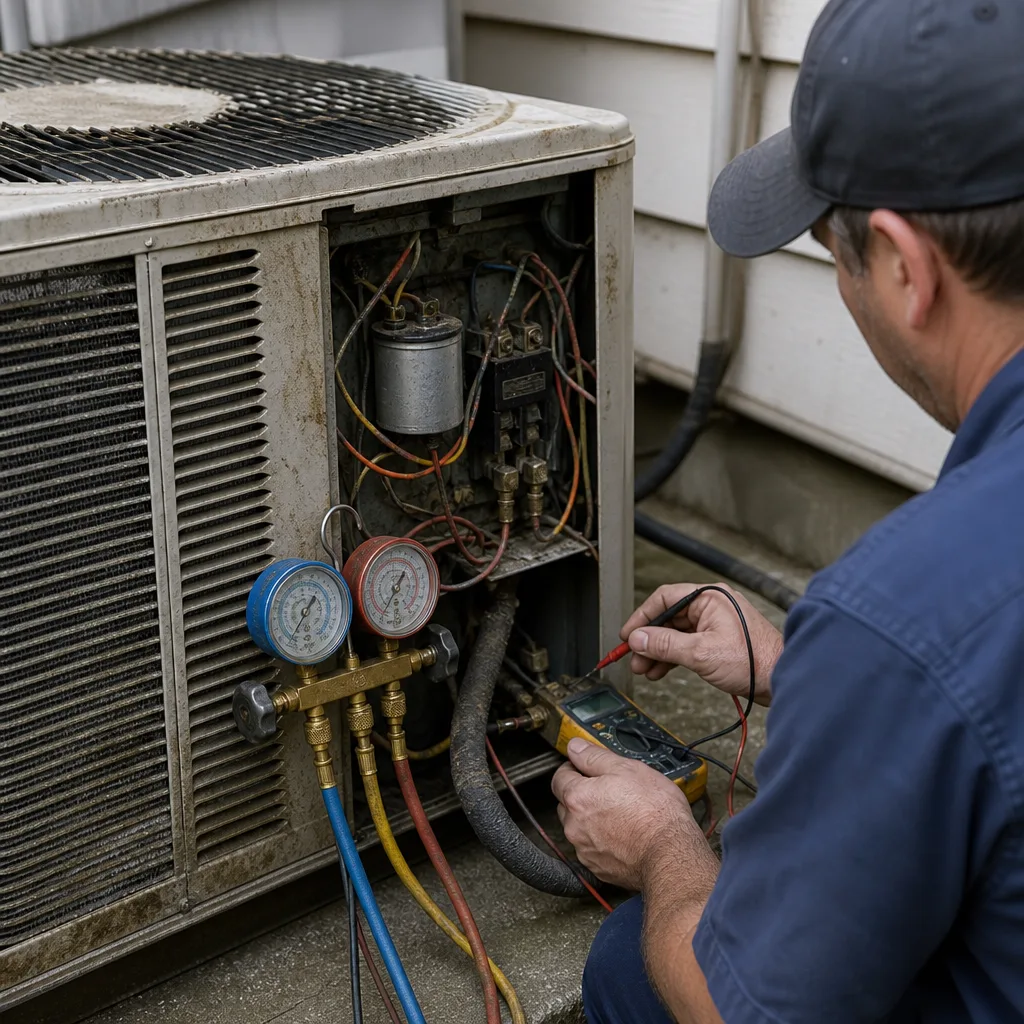 Before
 After
After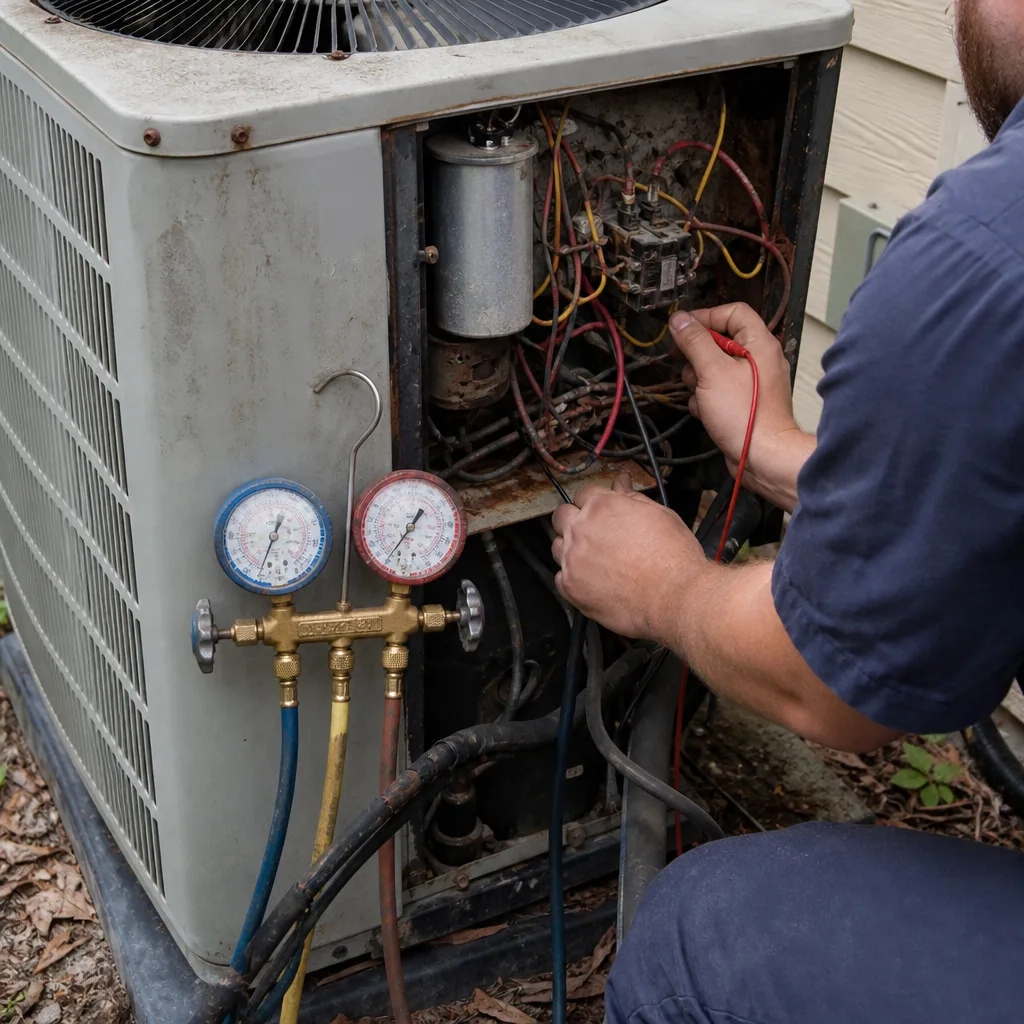 Before
 After
AfterWhen to Call a Professional
Call a professional when you hear a clicking sound from the outdoor unit but the fan is not spinning, when you see ice on the refrigerant lines or the indoor coil at any time of year, when warm air is blowing from the vents while the thermostat calls for cooling, when water is dripping from the indoor unit or staining the ceiling below it, or when you smell a burning odor from the vents. These are not tune-up situations. These are failures in progress, and each one of them is cheaper to fix before it cascades. In a Marietta summer, a system that is not cooling is not a comfort problem; it is a health and safety issue when indoor temperatures climb into the 90s. Cold Harbour Heating and Air Marietta offers AC Repair services with free estimates in Marietta, and a live person answers the phone 24 hours a day, every day of the year. Call (762) 240-5599 and we will be there in the window we promise, with the price in writing before any work begins.
Frequently Asked Questions
For most Marietta homes, every 30 days during pollen season (March through May) and every 30 to 60 days during the summer cooling season, depending on pets and foot traffic. Georgia pollen loads in April are heavy enough to clog a filter in three weeks, and a clogged filter is the fastest way to freeze the coil and trigger a no-cool call.
Most professional AC tune-ups in Marietta run $89 to $180 for a basic seasonal visit that includes coil cleaning, filter check, capacitor test, and a written report. More comprehensive visits with full refrigerant and airflow documentation typically run $150 to $250. At Cold Harbour Heating and Air Marietta, the price you are quoted is the price you pay, and it is given in writing before the technician starts a single task.
Yes, and you should, monthly from April through October. Pour one cup of white vinegar down the drain line and, if accessible, use a wet/dry vacuum on the outdoor drain port for one to two minutes. If the line is fully clogged or water has already overflowed the pan, call a professional with the right equipment.
It depends on your insulation, window exposure, and the size of the system. A correctly sized system will run for long cycles on the hottest days, and that is often more efficient than short cycling. But if the system runs continuously and the indoor temperature is still climbing, or if the system shuts off and restarts every few minutes, that is a sign of an airflow or refrigerant problem that needs testing.
The 365-Day Done Right Promise covers every repair we perform for a full year. If a repair fails within 365 days, Cold Harbour Heating and Air Marietta returns and corrects the work at no additional charge, and that guarantee is written down before the technician leaves your home. It is not a verbal promise. It is on paper, and we are held to it.
Not necessarily. Many repairs, including capacitors, contactors, drain line issues, and blower motor problems, are straightforward and can add years to a system. Replacement becomes the better choice when the compressor or coil has failed, when the system leaks refrigerant repeatedly, or when the equipment is over 15 years old and repairing it would not make financial sense. For a full conversation about whether to repair or replace, including a written quote for AC installation in Marietta, call us for a free estimate.
The Bottom Line
An AC maintenance checklist only works if it is built for the place where you live. In Marietta, that means a long cooling season, heavy pollen, thick humidity, and a condensate drain line that clogs faster than most national guides ever anticipate. The five tasks that prevent the most emergency calls are all accomplishable by a homeowner with a little consistency: clear the drain line monthly in the warm months, keep the condenser clear and clean, change the filter on a 30-day rhythm, listen for electrical warning sounds before June, and get a written professional tune-up once a year. Everything else flows from those five. For deeper context on keeping your system running, see The Complete Guide to HVAC in Marietta. And when something does go wrong, the safest thing you can do is call someone who does this work every day in Marietta. The number is (762) 240-5599. We answer, we show up on time, and we put the price and the guarantee in writing before the tools come out.
Written by Victor Mancini, Owner at Cold Harbour Heating and Air Marietta, serving Marietta since 2003.