
Last updated October 16, 2026
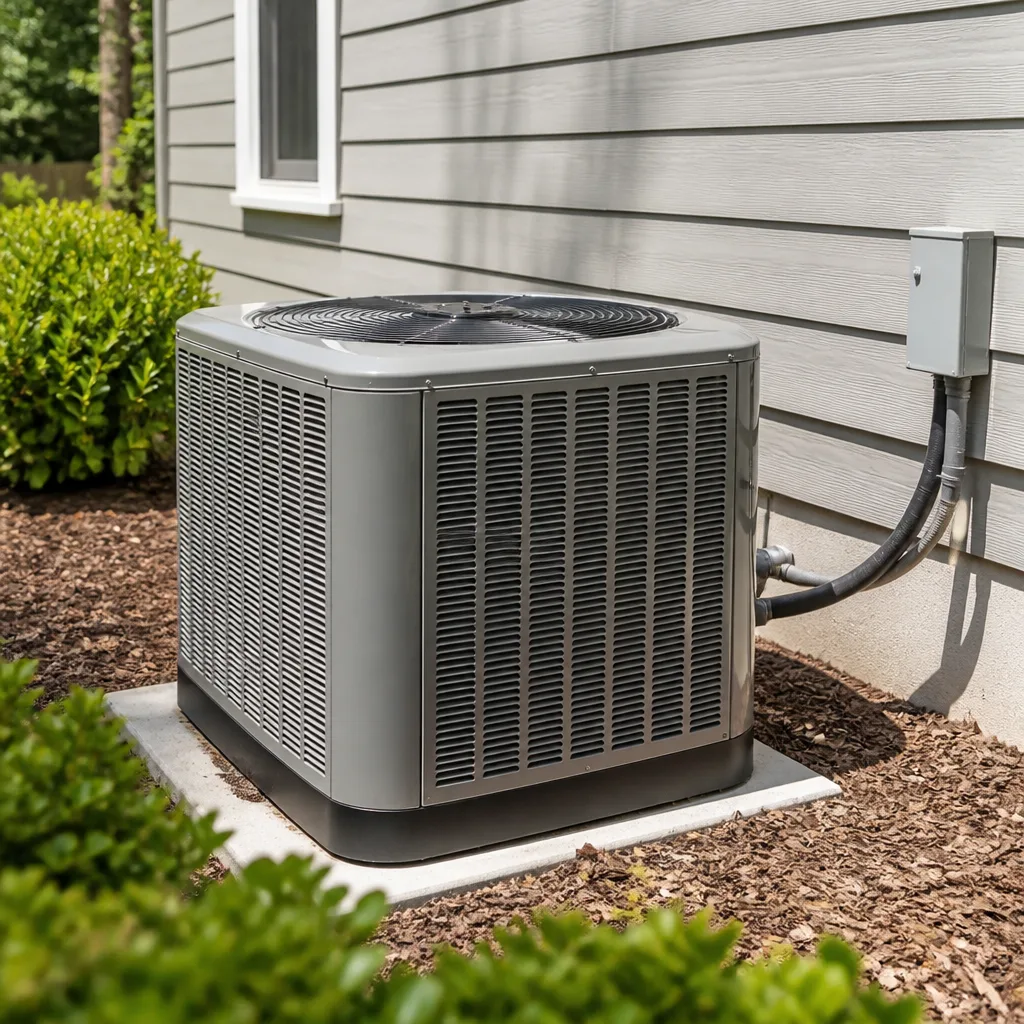 AC repair
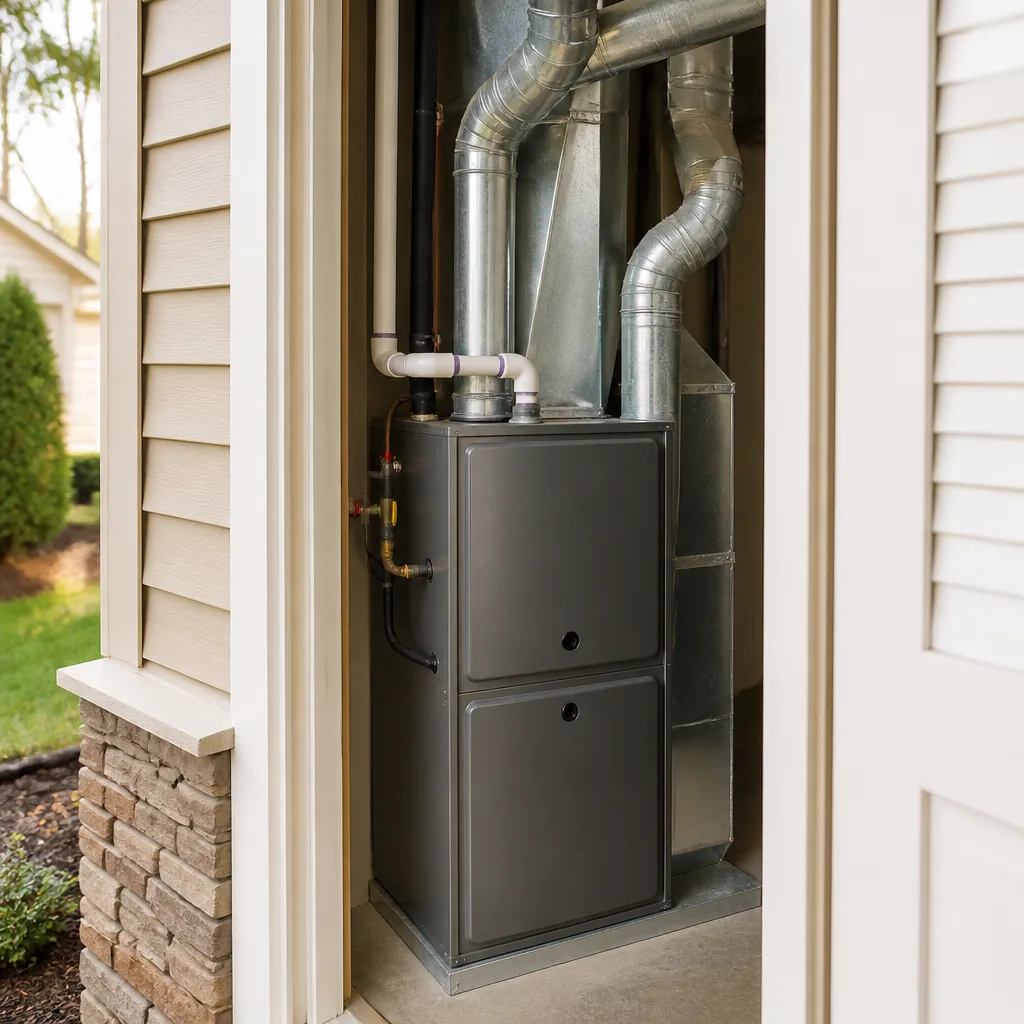 Furnace & heating
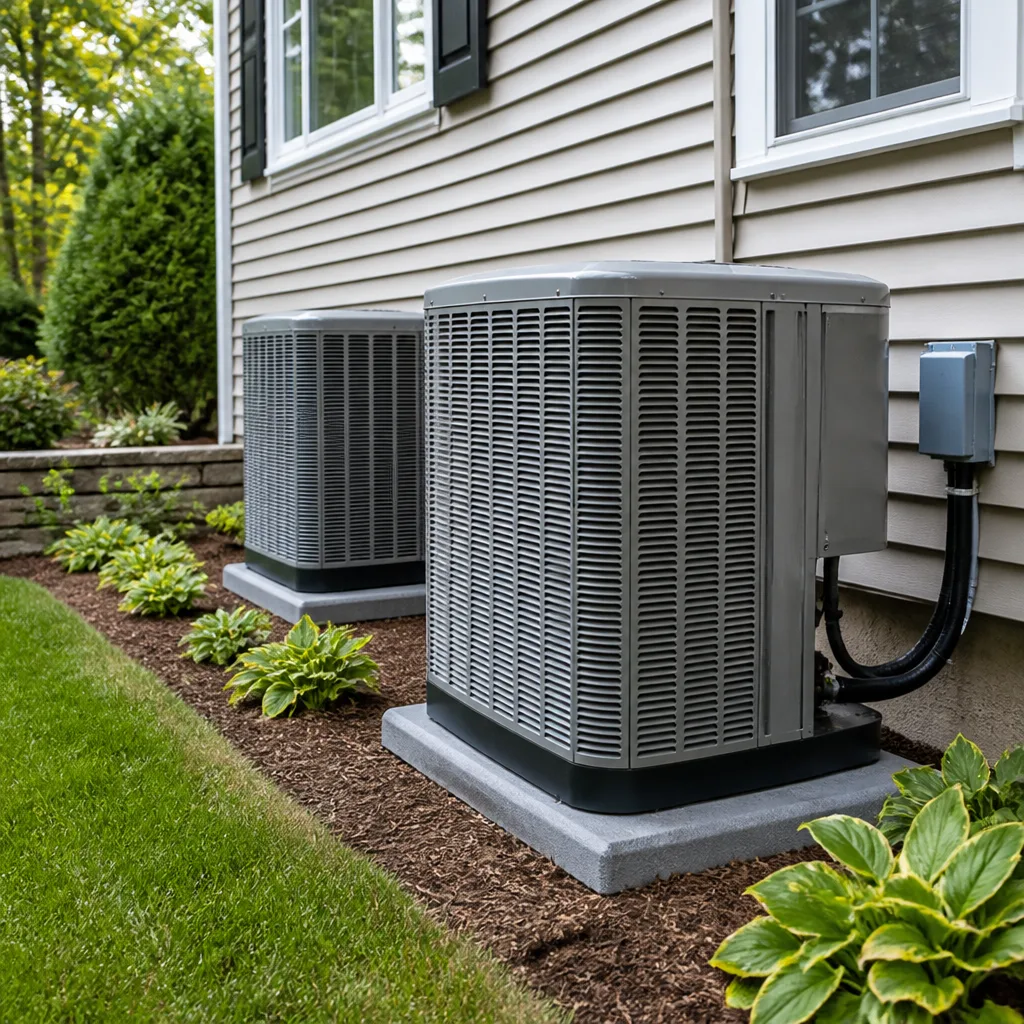 Heat pumps
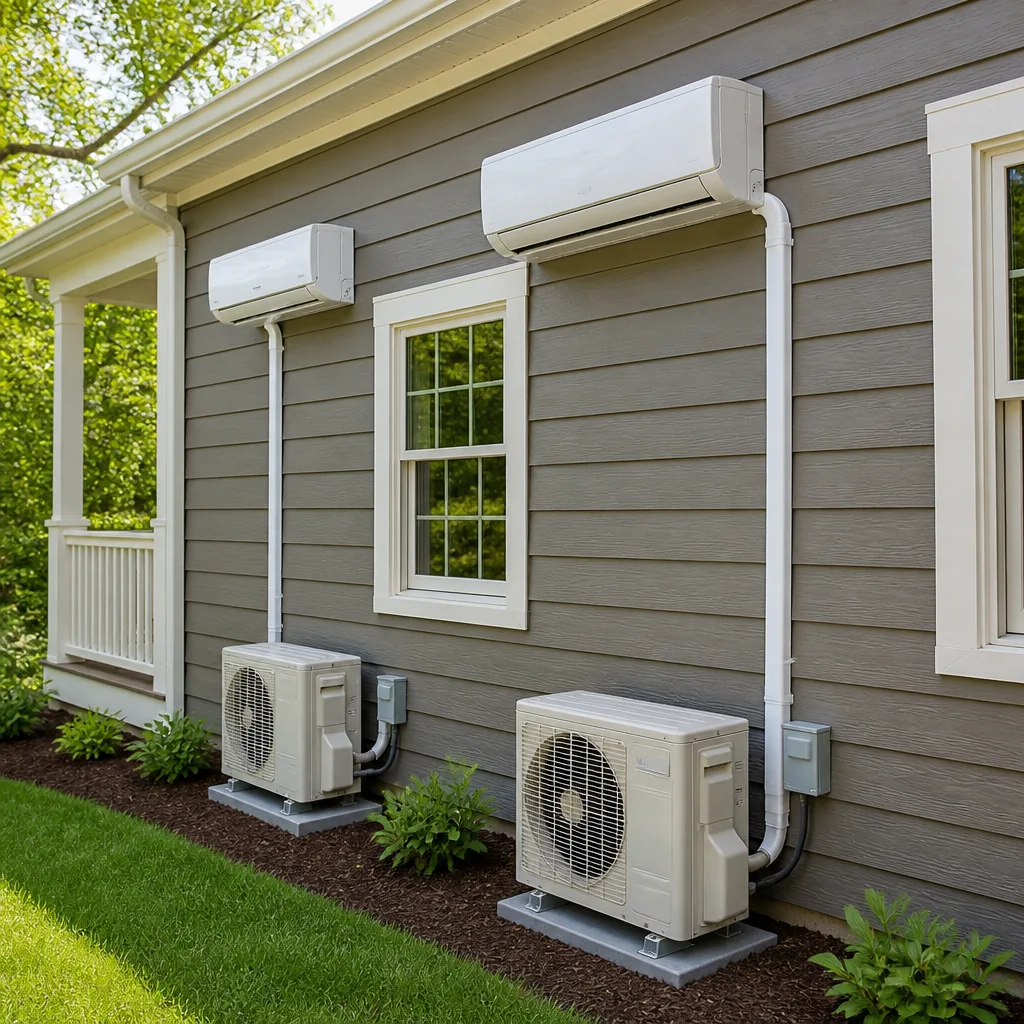 Ductless mini splits
 Carrier
 Trane
Trane Goodman
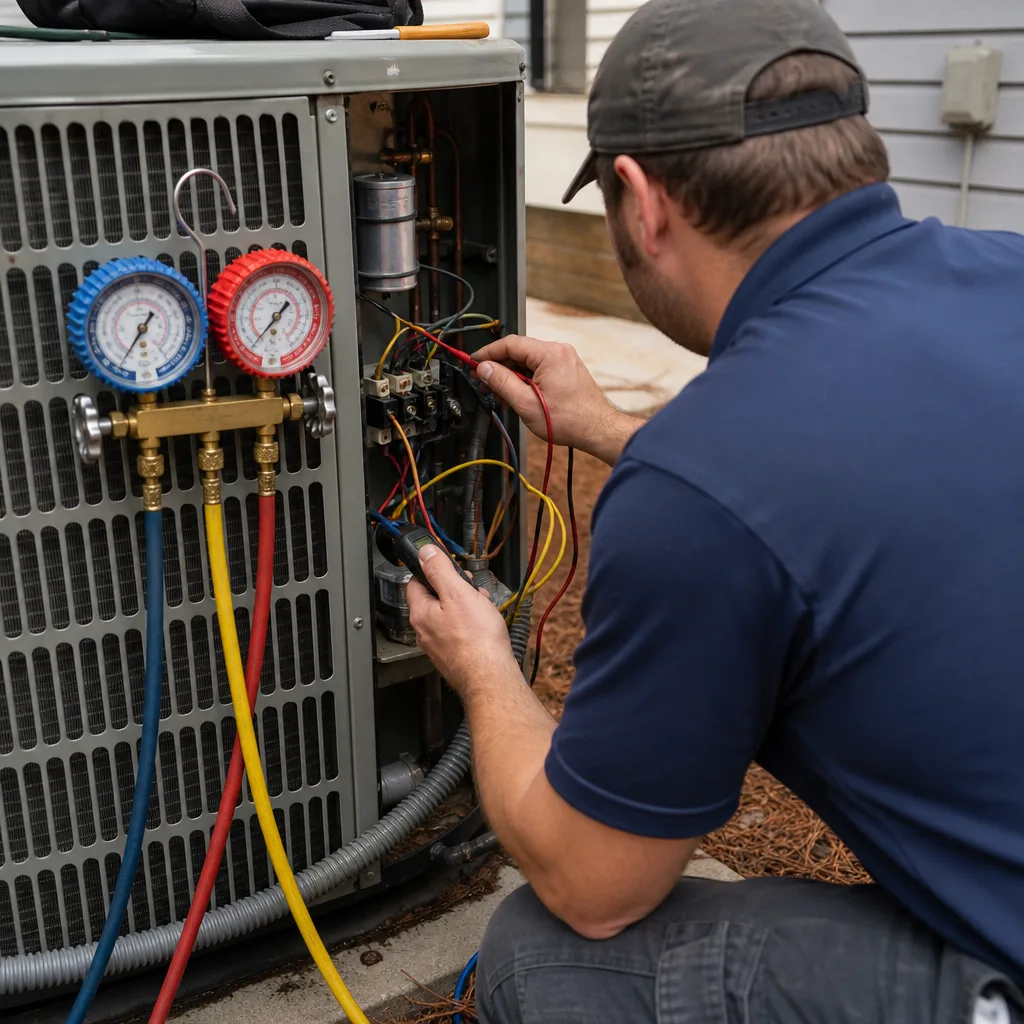
Seasonal tune-up and full diagnostic on your Carrier, Trane, or Goodman system - readings shown to you before any repair is proposed
Diagnosis first, numbers second - you approve the repair price before a single part goes in.
Get your free estimateHVAC Permits, Codes & Inspections in GA: What You Need to Know
If you sell a Marietta home with an unpermitted HVAC replacement, the buyer’s inspector will find it, and you’ll be the one paying to remediate it at closing. This happens regularly across Cobb County, and it almost always starts with a contractor who said “permits aren’t required for a straight swap.” That statement is false, and it costs homeowners thousands of dollars they never budgeted for. This guide explains exactly which HVAC jobs trigger a permit in Georgia and Cobb County, who is legally responsible for pulling it, and how to protect yourself before the work starts. For more guides & resources, see our full blog.
Styles & brands we work with
Quick Answer
Most HVAC replacements in Georgia, including a furnace-to-furnace or AC-to-AC swap, require a mechanical permit from your county or city building department. Repairs like capacitor replacement, igniter swaps, or refrigerant top-offs are maintenance and generally do not need a permit. The person whose name is on the permit is legally responsible for making sure the work meets code and passes inspection, and if no permit was pulled, that liability typically falls on the homeowner, not the contractor.
Table of Contents
- What Triggers a Permit in Cobb County (and What Doesn’t)
- Who Is Legally Responsible for the Permit
- Why Unpermitted Work Becomes a Problem at Resale
- How to Verify an Inspection and Get Your Certificate
- Georgia’s Current Energy Code Minimums: SEER2 and Duct Leakage
- What “I’ll Handle the Permit” Should Look Like in Writing
- Common Mistakes to Avoid
- When to Call a Professional
- Frequently Asked Questions
- The Bottom Line
What Triggers a Permit in Cobb County (and What Doesn’t)
Georgia building permits are issued at the county or municipal level, so the rules in Marietta differ slightly from those in unincorporated Cobb County, Roswell, or Atlanta. The underlying trigger is the same across all of them: if you are replacing equipment, changing the electrical or gas supply, or altering ductwork, a mechanical permit is required. What surprises most homeowners is that “straight swap” replacements are not exempt just because the equipment occupies the same footprint.
Work That Requires a Permit in Marietta and Cobb County
- Furnace replacement: Swapping a gas furnace for another gas furnace requires a mechanical permit. This includes high-efficiency condensing units that change the flue or condensate drainage.
- AC condenser or heat pump replacement: Replacing the outdoor unit requires a permit. Even if the indoor coil is reused, the refrigerant circuit, electrical disconnect, and pad work all trigger permit requirements.
- Complete system replacement: New condenser, new evaporator coil, and new air handler or furnace always require a permit.
- Ductwork replacement or significant modification: New trunk lines, branch runs, or a full duct redesign fall under the mechanical permit.
- Gas line work: Adding or rerouting a gas line to serve a new furnace or tankless water heater requires a separate gas permit, often issued through the same application.
- Electrical disconnect or circuit work: If the project involves changing the breaker, running new wire, or installing a new disconnect box, an electrical permit is often required in addition to the mechanical permit.
What Counts as Maintenance and Does Not Need a Permit
Permit exemptions in Georgia cover work that restores existing equipment to its original operating condition without changing the system. In our experience working on homes across Marietta neighborhoods like East Cobb, West Cobb, and the historic district, homeowners routinely ask where the line is. Here it is, plainly:
- Capacitor replacement
- Contactor, igniter, flame sensor, or thermocouple replacement
- Refrigerant recharge (topping off cooling fluid your AC needs to run)
- Condensate line clearing or trap replacement
- Thermostat replacement or upgrade, as long as no new wiring is run
- Blower motor or inducer motor replacement on an existing furnace
- Annual maintenance and tune-ups, including coil cleaning
The distinction that matters: if the job changes the equipment’s capacity, fuel source, electrical demand, or venting configuration, you are almost certainly crossing into permit territory. A helpful gut check we give Marietta homeowners: if the work involves a crane, a gas pipe, a breaker, or a new piece of equipment with a serial number, assume a permit applies and confirm with Cobb County before starting. For a deeper look at what to watch for, see our HVAC Warning Signs: A Marietta Homeowner’s Reference Guide.
Who Is Legally Responsible for the Permit
Under Georgia law and the Cobb County Development and Inspections Division code, the responsibility for obtaining a mechanical permit falls on the person or company performing the work. If you hire a licensed HVAC contractor, that contractor is expected to pull the permit in their name. If you do the work yourself, you are expected to pull a homeowner permit, which carries its own restrictions and inspection requirements.
Here is where the exposure comes in. If a contractor tells you a permit is not needed and you later discover it was, the county’s enforcement position is that the homeowner is ultimately responsible for bringing the property into compliance. The contractor may have said the words, but you are the one holding the deed, and you are the one who will be cited, fined, or flagged in a resale inspection. An unpermitted replacement can put you in the position of paying twice: once for the original work and again for a second contractor to legalize and correct it after the first one is long gone.
In Marietta specifically, the city’s building department can require a “permit after the fact” application when unpermitted work is discovered. That process often includes opening walls, exposing ductwork, or replacing components that cannot be verified after installation. The cost to resolve an unpermitted system is almost always higher than the cost of doing it correctly the first time.
This is why AC Installation in Marietta performed by a company that pulls permits as a matter of course protects more than the equipment. It protects the property record.
Why Unpermitted Work Becomes a Problem at Resale
A Georgia home sale is typically contingent on a buyer’s inspection. Most inspection reports pull the county record for the property and compare it to the mechanical systems visible in the home. If the furnace serial number indicates a 2021 manufacture date but Cobb County has no mechanical permit on file for that address in 2021, the inspector will flag it. Once flagged, the buyer’s attorney or lender will usually require it to be resolved before closing. That resolution lands on the seller’s side of the table.
We have been called into homes across Marietta, from Whitlock Avenue to Piedmont Bend, where a seller was days from closing and needed an emergency permit legalization. The work often involves more than paperwork. The county inspector will want to see the equipment installation, the gas line, the flue, the electrical disconnect, and the condensate drainage. If any of it falls short of current code, the seller pays to correct it on the inspector’s schedule, not their own.
The cost drivers at that point: after-the-fact permit fees, inspection fees, and the actual repair work needed to meet code. On a high-efficiency furnace with improper venting, the seller may be replacing vent pipe, condensate pumps, or even the entire flue configuration days before closing. The contractor who skipped the permit is almost never available, interested, or legally obligated to return.
Even if you never plan to sell, unpermitted work matters. If an unpermitted furnace installation causes a fire or a carbon monoxide event, a homeowner’s insurance claim can be denied because the equipment was never inspected or approved. The savings from skipping a permit are measured in hundreds of dollars. The exposure is measured in tens of thousands.
How to Verify an Inspection and Get Your Certificate
Once a permit is pulled and the work is complete, the county or city inspector must sign off before the permit is closed. That inspection sign-off is your proof that the work met code at the time it was installed. You want that proof in your hands before it matters at resale, not ten years later when you are trying to reconstruct it from memory.
Here is the step-by-step process for verifying and keeping your own records:
- Ask the contractor for the permit number before work starts. In Marietta, the city uses an online portal where permits can be searched by address or permit number. Unincorporated Cobb County uses a similar system. If the contractor cannot produce a permit number within a day or two of signing the contract, that is a red flag.
- Confirm the inspection is scheduled. Most mechanical inspections happen within a few days of the contractor calling in the final. You do not need to be home, but you should know the date.
- Check the permit status online after the inspection. The permit should show “Finaled” or “Closed.” If it still shows “Issued” after the inspection date, the inspection may have failed or never happened.
- Request a copy of the Certificate of Completion or the finaled permit. The county or city will provide a record. Keep it with your closing documents, in a fire-safe box, or as a digital file. This is the piece of paper that proves compliance when you sell.
- If the contractor says they will “send it later,” do not let the job be considered closed until you have it. A permit that was pulled but never finaled is almost as bad as no permit at all in the eyes of a buyer’s inspector.
One more note specific to Marietta: some older homes in the historic districts have mechanical systems that were installed before the current permit system was fully digitized. If your home falls into that category and you are doing a new replacement, the contractor’s permit will create a clean, current record that supersedes the old one. That is a side benefit worth asking for.
Georgia’s Current Energy Code Minimums: SEER2 and Duct Leakage
Georgia adopted the 2021 International Energy Conservation Code with state amendments, and the HVAC-relevant portions took effect in 2023. The two numbers homeowners hear most are SEER2 and duct leakage percentage, and the inspector will check both on a permit-required replacement.
SEER2 is the federal efficiency rating for air conditioners and heat pumps that replaced the old SEER metric. In Georgia, new residential central air conditioner systems must meet a minimum of 14.3 SEER2 in the North Georgia climate zone. That is a federal baseline, but the practical market in Cobb County skews higher because of our cooling season from May through September. A 15 or 16 SEER2 system is common in Marietta homes, and a 17-plus SEER2 high-efficiency heat pump or AC is increasingly the choice for homeowners looking at long-term utility cost savings. For year-round planning tips, see our Seasonal HVAC Care for Marietta: Year-Round Homeowner’s Guide.
Duct leakage testing is the part most homeowners never hear about until an inspector requires it. Under the current Georgia energy code, when new ductwork is installed or a significant portion of the existing duct system is replaced, the duct system must pass a leakage test, typically below 4 cubic feet per minute per 100 square feet of conditioned floor area. The test is performed with a duct blaster, and the contractor must provide the result to the inspector. This is not a formality. Leaky ducts in a crawl space or attic can push 20 to 30 percent of conditioned air into unconditioned space, which shows up on your electric bill every month from June through October.
When we install a system in Marietta, the permit is pulled, the work is done to the current code, and the duct test is run and documented. The homeowner gets the finaled permit, the test result, and the equipment warranty registration. That package of paperwork is what protects the home’s resale value, and it is worth more than any verbal promise.
What “I’ll Handle the Permit” Should Look Like in Writing
Every week, homeowners across Cobb County tell us a previous contractor said “I’ll handle the permit” and then never did. A verbal assurance is worthless because there is no way to prove it later. The only version of that promise that matters is a written line item in the contract or scope of work.
Here is what a legitimate permit line item should say, in substance:
- The contractor’s full legal name and Georgia contractor license number (HVAC work in Georgia requires a state-issued conditioned air contractor license).
- The exact permit type: “City of Marietta mechanical permit” or “Cobb County mechanical permit.”
- The permit fee, either as a line item or stated as included in the total price.
- A statement that the contractor is responsible for scheduling and passing the final inspection.
- A commitment to provide the finaled permit or Certificate of Completion to the homeowner within 30 days of inspection.
- Language that ties final payment to the finaled permit, not just the completed installation.
At Cold Harbour Heating and Air Marietta, we put the price in writing before the work starts, and that written price includes the permit and the inspection. The guarantee is written, the arrival window is written, and the permit handling is written. That is how we have operated since 2003 as an independently owned and operated member of the Kingswell network, and it is not something we treat as optional.
Common Mistakes to Avoid
- Believing “a straight swap doesn’t need a permit.” It does in Cobb County and Marietta. Replacement of equipment, even same-for-same, is permit-required work. The permit is what creates the legal record of a compliant installation.
- Paying in full before the inspection passes. Once the contractor has all the money, the incentive to return for a failed inspection or to provide the finaled permit disappears. Retain at least a portion of the balance until the permit is finaled.
- Accepting “the county doesn’t check” as a permit substitute. The county checks when you sell, when you refinance, or when you file an insurance claim. A buyer’s inspector in Marietta will flag an unpermitted system in minutes.
- Letting the contractor use their “standard” equipment size without a load calculation. A oversized or undersized system is a code issue and a comfort issue. The current Georgia energy code requires a Manual J load calculation for new installations, and an inspector can ask for it.
- Ignoring the duct leakage test. If your contractor replaces the ductwork and cannot produce a passing duct leakage result, the system will struggle and the home will be flagged on resale. This is a specific, enforceable code element in Georgia.
- Assuming the homeowner is not liable if the contractor skips the permit. The county’s enforcement action lands on the property owner. The contractor may be liable civilly, but the hammer falls on you.
- Filing the permit paperwork in a drawer and losing it. The finaled permit is a resale asset. Scan it, store it, and treat it like a deed or a title document.
When to Call a Professional
You should call a licensed HVAC contractor before you buy a home with an older system, before you replace a furnace or AC that is more than 12 years old, and any time a contractor tells you a permit is not needed for work that involves equipment replacement, gas line changes, or ductwork. The earlier you correct course, the cheaper it is. Cold Harbour Heating and Air Marietta offers free estimates in Marietta, and we pull the permit, schedule the inspection, and hand you the finaled paperwork without making you chase it. For a complete task list, see our AC Repair Maintenance Checklist for Marietta Homeowners. Call (762) 240-5599 to talk through your situation, whether you are replacing now or trying to clean up a problem from a previous contractor.
Frequently Asked Questions
Yes. Replacing a furnace, air conditioner, heat pump, or complete system in Georgia requires a mechanical permit from your county or city building department, including in Marietta and Cobb County. A “straight swap” of the same equipment type is not exempt, and work done without a permit becomes a legal and financial liability for the homeowner.
Mechanical permit fees in Cobb County and the City of Marietta typically range from $100 to $300, depending on the scope and valuation of the work, with electrical or gas permits adding $50 to $150 each when required. Many contractors, including ours, include the permit cost in the written price for the job. Call (762) 240-5599 and we’ll give you the exact number for your specific project.
The contractor is legally expected to pull the permit, but the county’s enforcement and fine authority lands on the property owner. That means you are the one paying for after-the-fact permits, corrections, and resale remediation if your contractor skipped the permit and disappeared.
A contractor can physically do it, but it violates city and county code, puts you at risk of fines and resale problems, and may void manufacturer warranty protections. No licensed contractor who plans to stand behind their work should offer to install an AC in Marietta without a mechanical permit.
SEER2 is the current federal efficiency rating for air conditioners and heat pumps, and the minimum for new central AC systems installed in Georgia is 14.3 SEER2. Many Marietta homeowners choose 16 SEER2 or higher to reduce summer cooling costs during the long Georgia cooling season.
Search your address or permit number in the City of Marietta or Cobb County online permit portal. If a permit was pulled, it will show as issued, in progress, or finaled. If it shows finaled, request a copy of the Certificate of Completion and keep it with your home records for resale.
The Bottom Line
Georgia’s HVAC permit rules are not complicated, but they are expensive to ignore. A permit is required for replacement equipment, the permit creates the public record that protects you at resale, and the finaled permit is a document you should hold for as long as you own the home. If a contractor tells you a permit is not needed for a furnace or AC replacement in Marietta, that contractor is either misinformed or avoiding scrutiny. Either way, the risk lands on you. Get the permit scope in writing, verify the finaled inspection, and keep the paperwork. That is how you protect the home and the sale, years before either one matters.
Written by Victor Mancini, Owner at Cold Harbour Heating and Air Marietta, serving Marietta since 2003.
For more on how we work, visit the Cold Harbour Heating and Air Marietta home page, see our AC Repair in Marietta service details, or read about Furnace Repair in Marietta. Ready to replace your system the right way? Call (762) 240-5599 for a free estimate, a written price, and a permit handled from start to final inspection.
See the difference
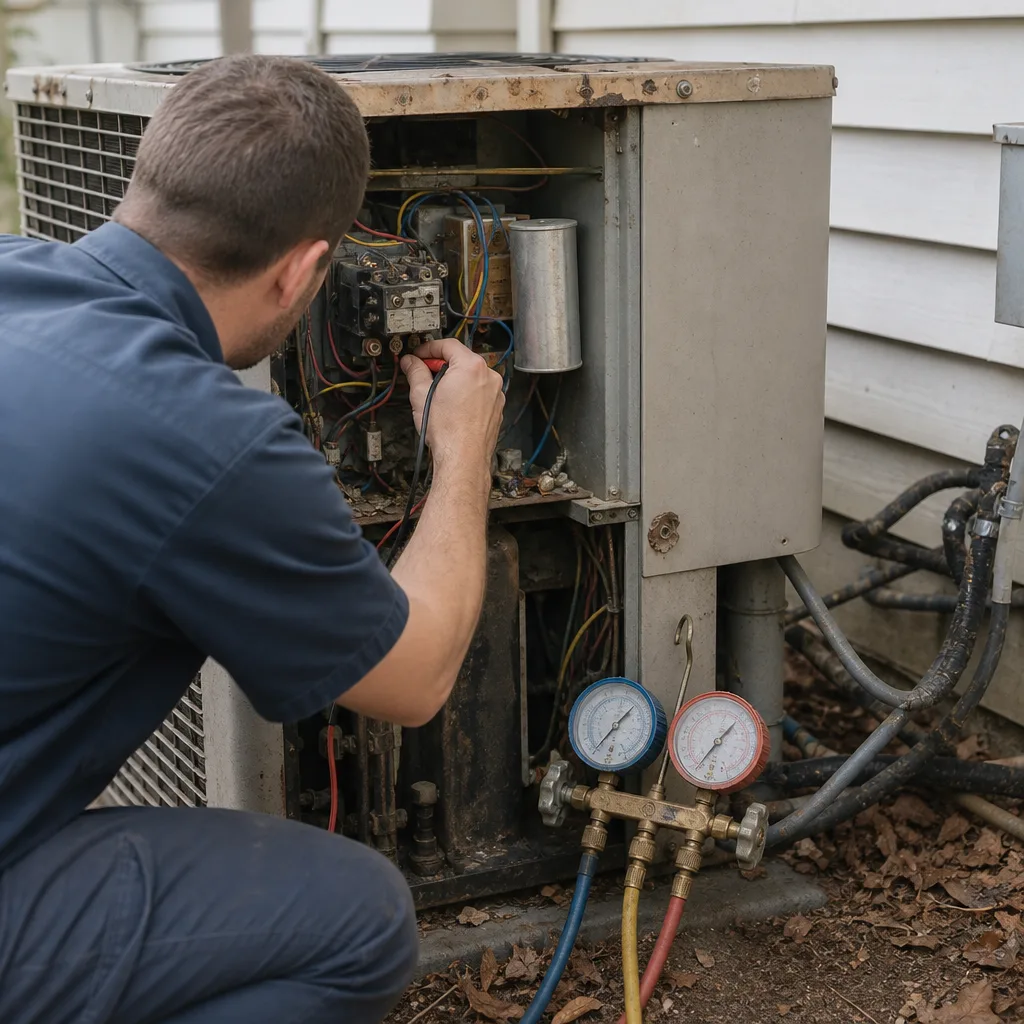 Before
 After
After Before
 After
After Before
 After
After