
Last updated October 16, 2026
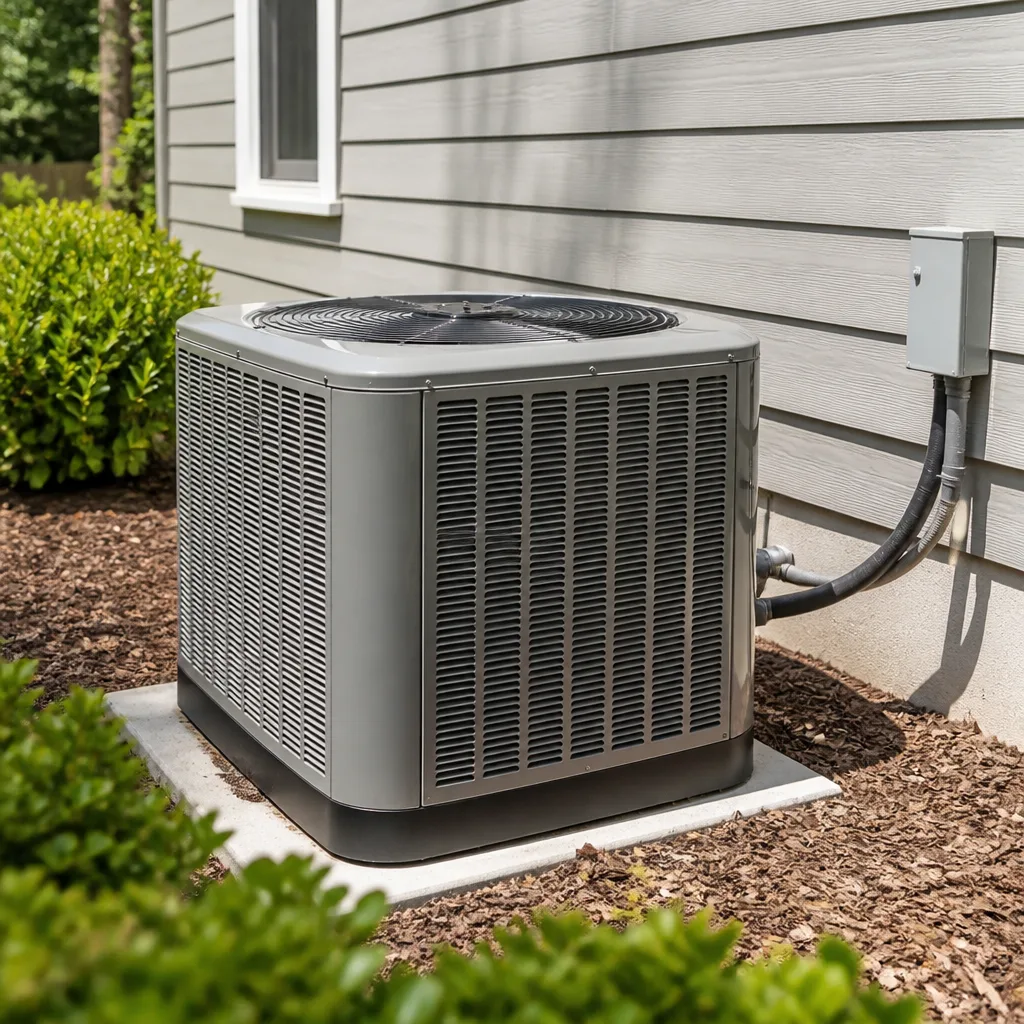 AC repair
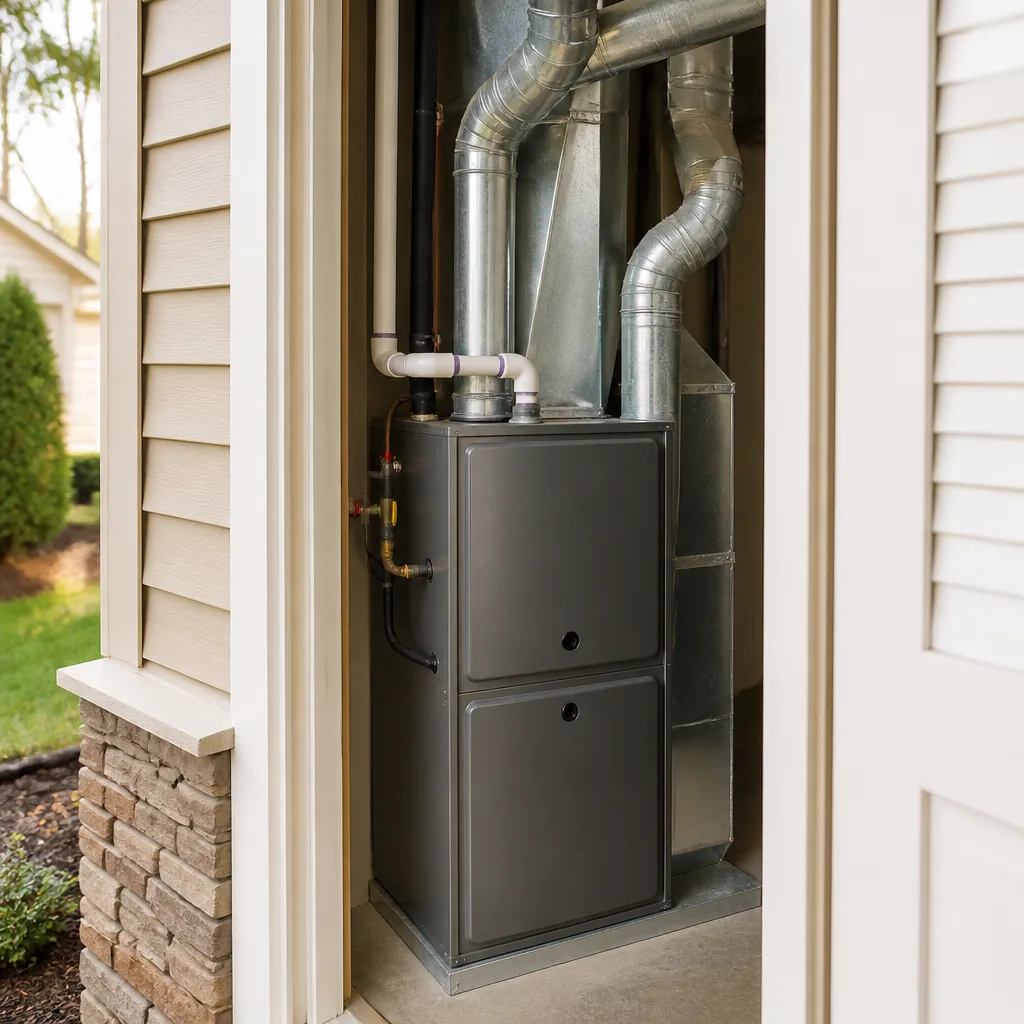 Furnace & heating
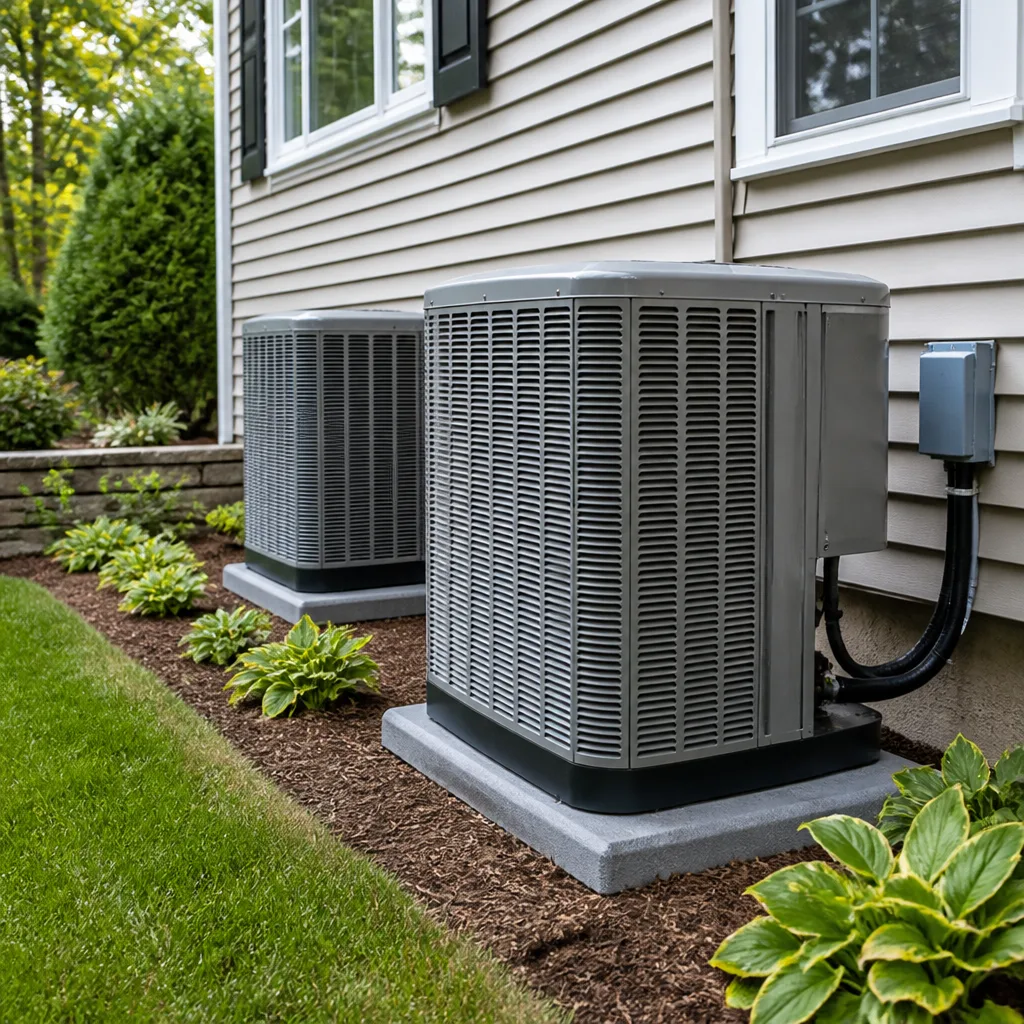 Heat pumps
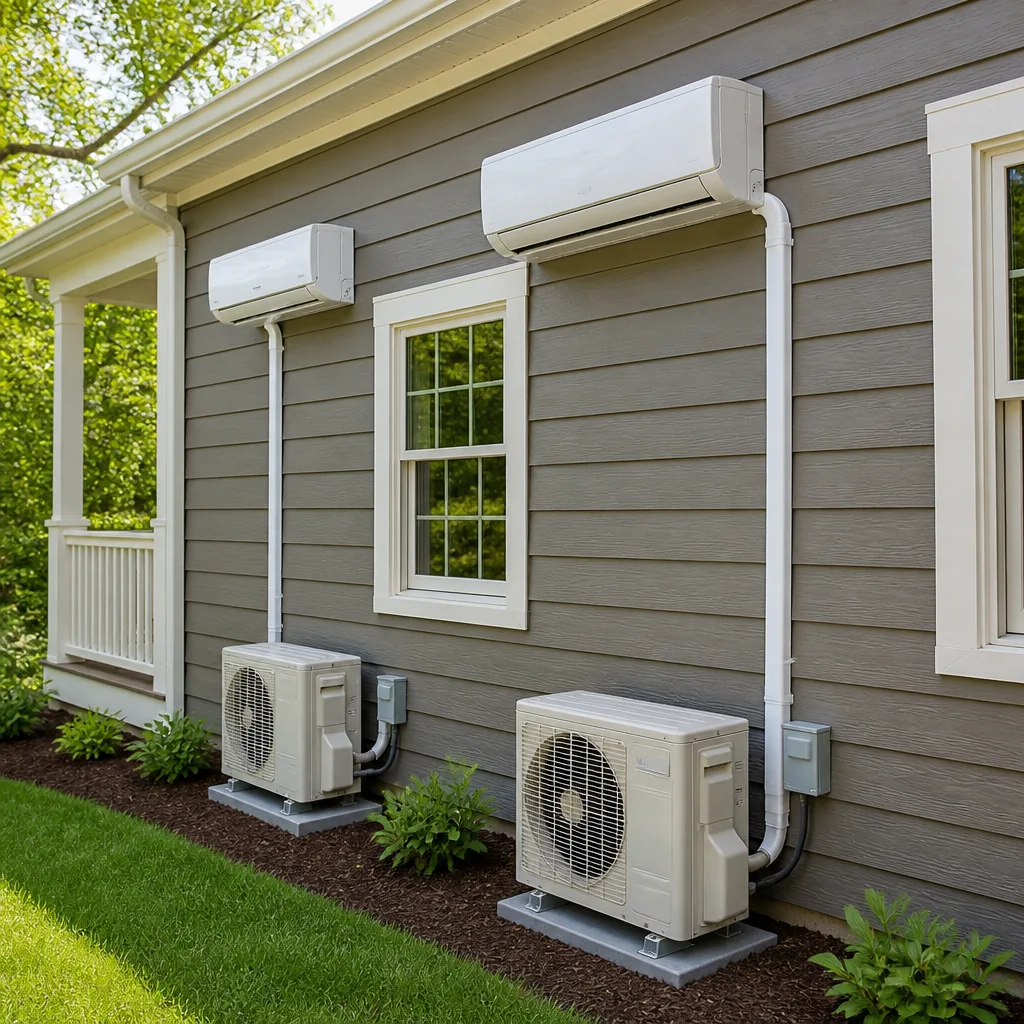 Ductless mini splits
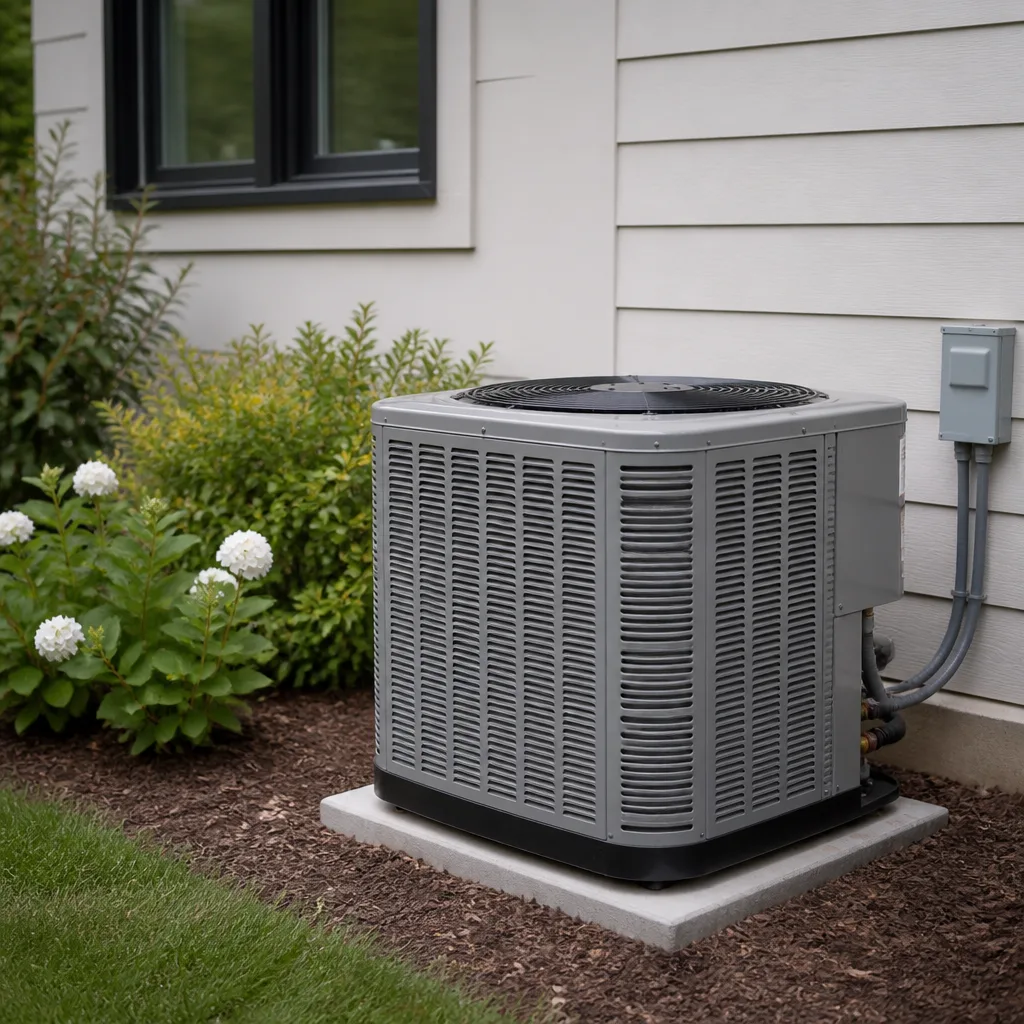 Carrier
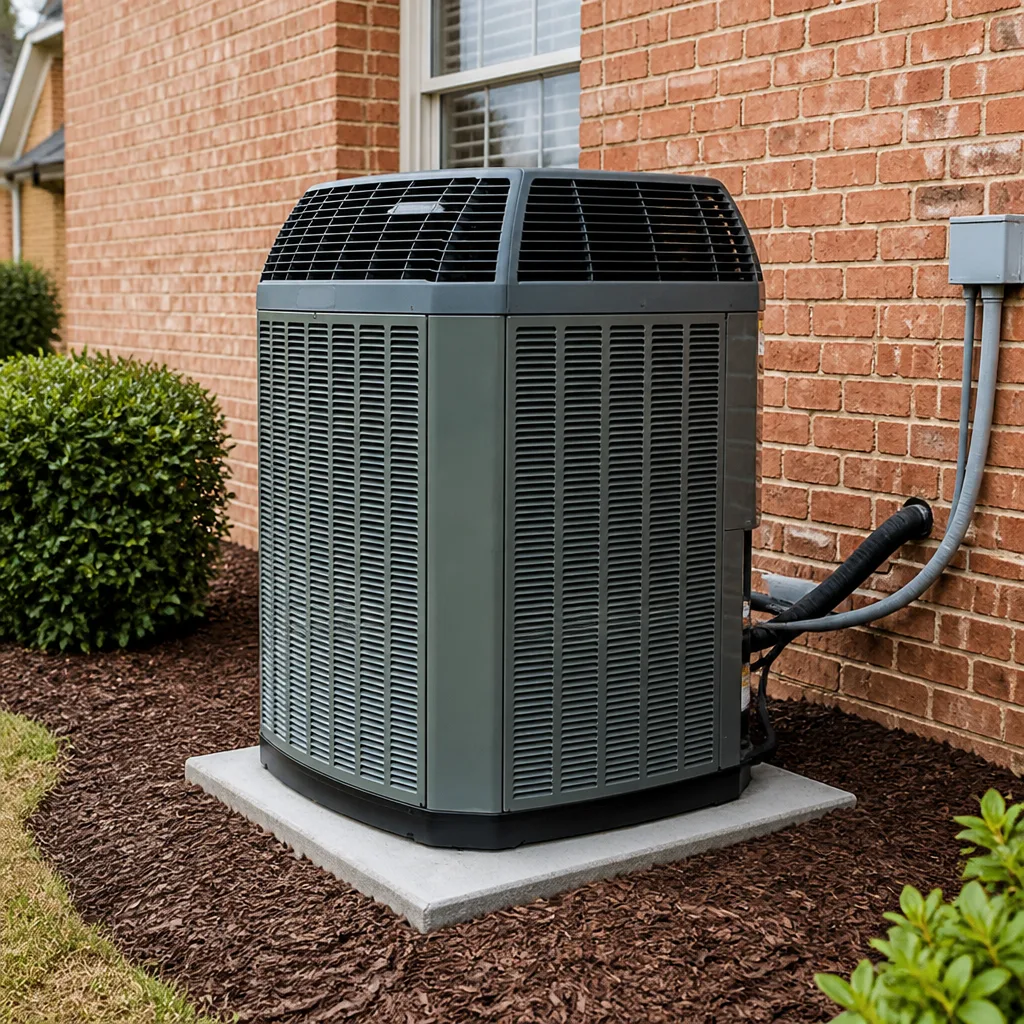 Trane
Trane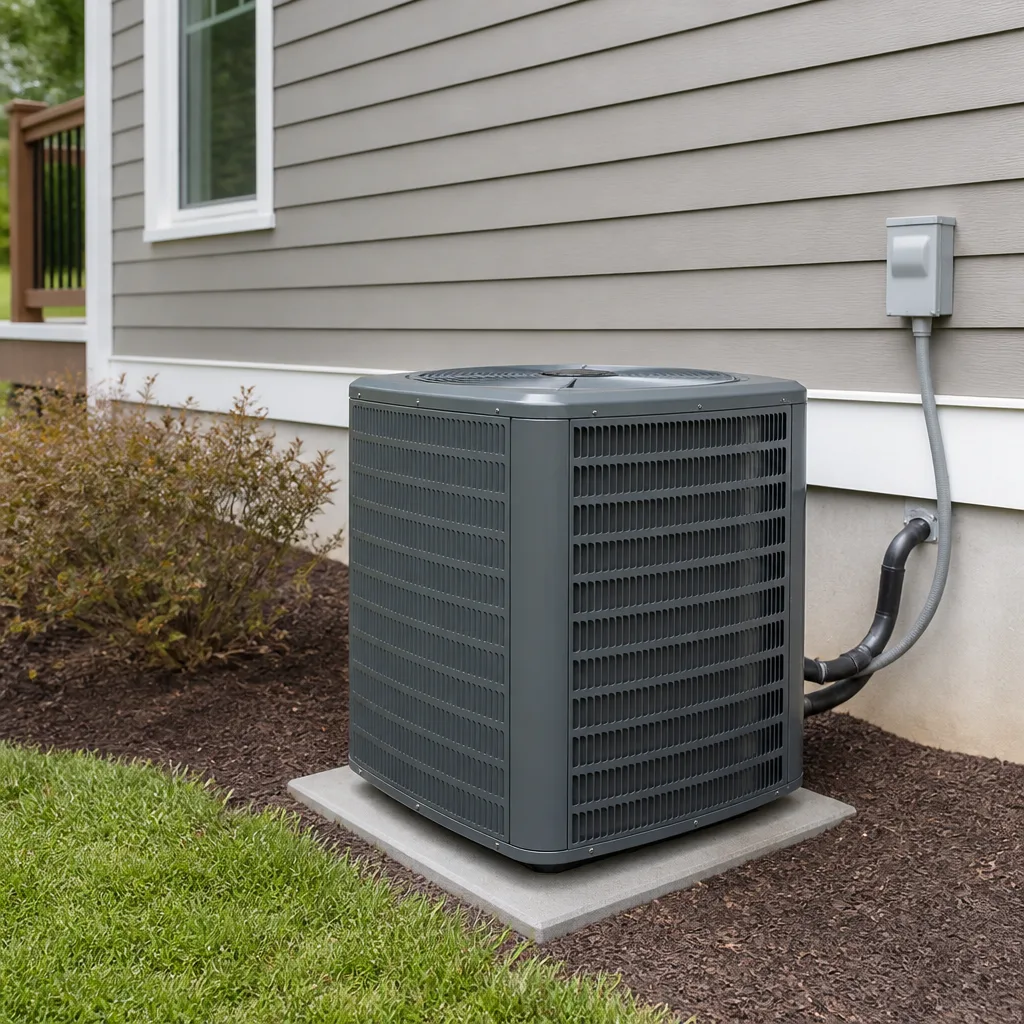 Goodman
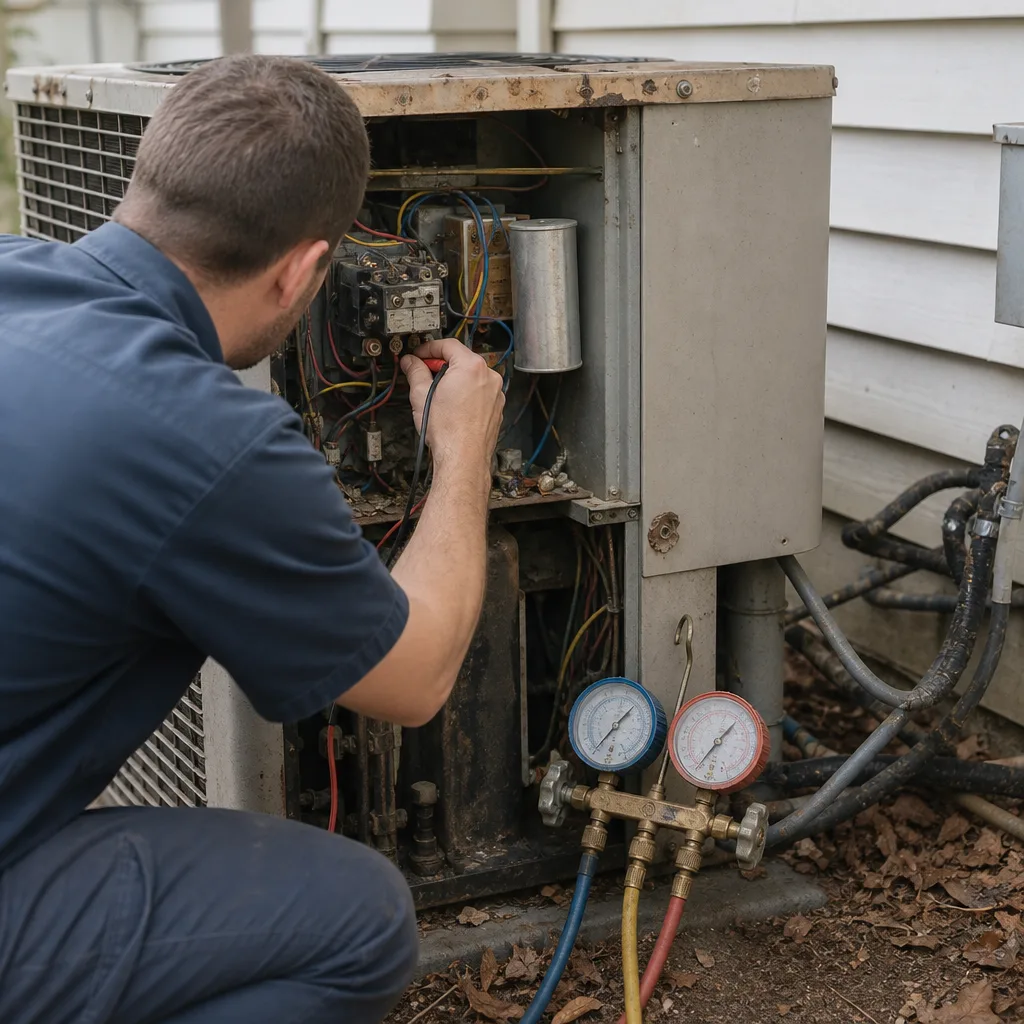
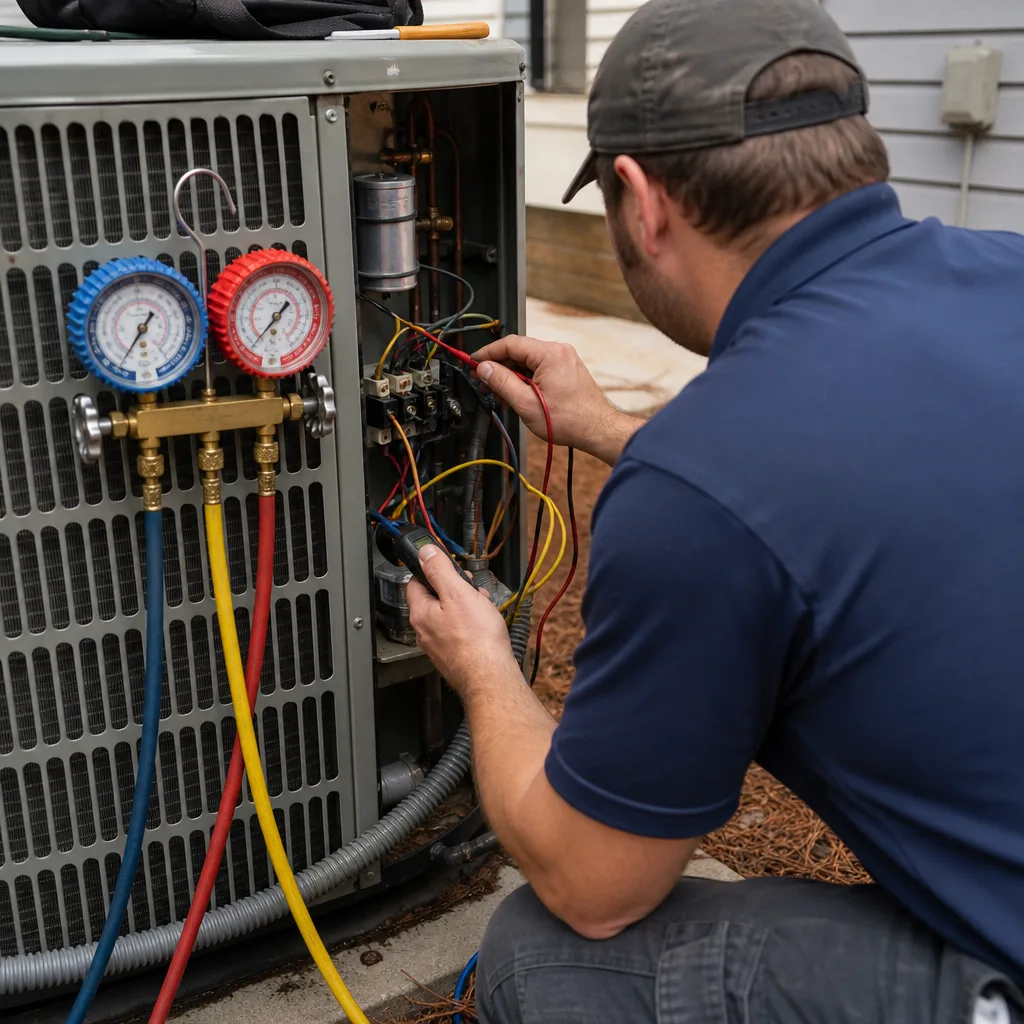
Seasonal tune-up and full diagnostic on your Carrier, Trane, or Goodman system - readings shown to you before any repair is proposed
Diagnosis first, numbers second - you approve the repair price before a single part goes in.
Get your free estimateSeasonal HVAC Care for Marietta: Year-Round Homeowner’s Guide
Here’s a pattern we see in Marietta every single year: the calendar says spring starts in late March, but your air conditioner has already been cycling for two or three weeks by then. The first 80-degree day in Cobb County rarely waits for the equinox. It shows up in mid-April, sometimes earlier, and suddenly every homeowner on your street is flipping the thermostat from heat to cool on the same afternoon. This guide is built around Marietta’s actual weather patterns and works alongside The Complete Guide to HVAC in Marietta for a full local picture. You’ll learn what to do each month, when to prepare for the early heat ramp, and how to avoid the scheduling crunch that hits every HVAC company in the area by late May.
Styles & brands we work with
Quick Answer
Seasonal HVAC care in Marietta should start in early March for cooling and mid-October for heating, not on the equinox dates. Schedule your AC tune-up before April 15 to beat the heat ramp and get ahead of the repair backlog, following our AC Repair Maintenance Checklist for Marietta Homeowners. For furnaces, test the system in early October before the first cold night, and have a professional verify the ignitor and heat exchanger in late October or early November.
Table of Contents
- Marietta’s Real Climate Calendar: Forget the Equinox
- January and February: The Heat Strip Season
- March and April: Beat the AC Rush
- May Through September: Summer Load Management
- October: Furnace Verification Before the First Cold Night
- December: Cold Snap Preparedness
- Heat Pump-Specific Care for Marietta’s Moderate Winters
- Keep a Maintenance Log: Your Warranty’s Best Friend
- Common Mistakes to Avoid
- When to Call a Professional
- Frequently Asked Questions
- The Bottom Line
Marietta’s Real Climate Calendar: Forget the Equinox
Marietta sits in USDA hardiness zone 7b, which tells you a lot about what your HVAC system deals with year-round. We get roughly 50 inches of rain annually, humidity that makes August feel like a wet blanket, and winter lows that dip into the 20s often enough to matter. But here’s the thing most national guides miss: Marietta’s shoulder seasons are short and unpredictable. April can bring 85-degree days followed by 45-degree mornings. November can swing from 70 degrees to freezing inside a single week.
What does this mean for your equipment? It means your AC and your furnace need to be ready at the same time, sometimes in the same week. A system sitting idle for months doesn’t just wake up and work. Refrigerant pressures settle, condensate drain lines dry out and crust over, electrical connections loosen with thermal cycling, and outdoor units collect a winter’s worth of pollen, leaf debris, and cobwebs. The homeowners who do a full seasonal prep in March and again in October are the ones who rarely see us for emergency calls in July or January.
January and February: The Heat Strip Season
January in Marietta is mild compared to Chicago or Minneapolis, but it’s exactly cold enough to stress systems in a way most people don’t expect. Average lows sit below freezing for about six weeks, and when cold snaps hang around, two things happen. First, heat pumps work harder to pull heat from colder outdoor air. Second, the auxiliary heat strips (electric resistance coils that kick in when the heat pump can’t keep up) start running regularly.
Those heat strips are expensive to run. They’re also the component most likely to fail after months of low use followed by a sudden hard cycle. In our experience, a huge share of January no-heat calls in Marietta trace back to heat strips that degraded silently during the mild fall and then burned out the first time they ran for six consecutive hours.
What to do in January and February:
- Test the heat at least once per week during cold stretches, even if you’re away for the day. A failed system in January temps can freeze pipes inside 48 hours.
- Listen for a burning-dust smell the first time the heat strips engage in the season. A brief smell is normal. A persistent oily or acrid smell is not.
- Check your thermostat schedule. Winter setbacks save money, but setting it below 60 degrees while away risks freezing pipes during an unexpected outage.
- Inspect the outdoor unit after strong winds. Debris in Marietta often comes from pine straw and sweet gum balls, both of which can wedge into fan grilles.
If you have a furnace rather than a heat pump, February is also a smart month to change the filter and look at the flame color through the sight glass. Blue flame is healthy. Yellow or flickering flame means incomplete combustion and should be checked by a professional before next season.
March and April: Beat the AC Rush
Here’s the calendar gap most guides skip entirely. In Marietta, March and April are the single most valuable window for getting ahead on cooling season. By early May, every HVAC company in Cobb County is booked out for tune-ups, and AC repair calls spike hard. But in early March, the phones are quieter. The weather is mild. Technicians have open schedules. And your system is about to be asked to run harder than it has in seven months.
We recommend scheduling your AC repair in Marietta work, including the pre-season check, before April 10. Here’s what a proper pre-season check should include in Marietta specifically:
- Condensate drain line cleaning and inspection. Georgia summers produce constant condensate, and a clogged line in June means water backup into the air handler and possibly your ceiling. Pine pollen and red clay dust are notorious clog contributors in this area.
- Refrigerant level verification. A system that’s 20 percent low on refrigerant won’t fail on a 75-degree day. It fails on the first 95-degree day, which in Marietta often comes in early May.
- Capacitor testing. Capacitors degrade with heat and age. Testing in April means replacing a dying one before it strands you in July.
- Outdoor coil cleaning. Pollen season in Marietta peaks in March and April. That yellow film on your car is also coating your condenser coil.
- Electrical connection tightening. Thermal cycling loosens screw terminals. Loose connections arc, overheat, and eventually fail.
One more thing about April in Marietta: this is also the month your neighbors start calling about AC. If you wait until the first heat wave to schedule, you’ll be waiting days for a repair slot. Doing the tune-up in March costs the same, takes the same hour, and puts you ahead of roughly half of Cobb County.
May Through September: Summer Load Management
Summer in Marietta isn’t just hot. It’s humid in a way that changes how your AC operates. Humidity removal is a huge part of the cooling load here, and an oversized or poorly maintained system will cool the air without removing enough moisture, leaving your house feeling clammy at 72 degrees. Proper airflow, clean coils, and correct refrigerant charge are the three legs of humidity control. If any one of them is off, you’ll be running the AC constantly and still feeling sticky.
May through September tasks for Marietta homeowners:
- Change the filter every 30 days, not every 90. Pollen, pet dander, and Georgia clay dust load filters fast. A dirty filter is the single most common cause of avoidable AC failures in this market.
- Check the outdoor condensate drain weekly during peak humidity. If water isn’t draining from the pipe while the AC runs, the drain line is likely clogging.
- Keep shrubs, leaves, and grass clippings clear of the outdoor unit. We see a lot of units in Marietta buried under overgrown landscaping, and every one of them works harder than it should.
- Run ceiling fans to create a wind chill effect, but turn them off when you leave the room. Fans cool people, not rooms.
- Watch your energy bill for unexplained spikes. A gradual increase might be rate changes or usage. A sudden jump with no lifestyle change is often a sign of low refrigerant or a failing compressor.
If your AC is running nonstop on a 90-degree Marietta afternoon and the house won’t drop below 78, don’t wait. Low refrigerant doesn’t get better on its own. A system running perpetually undercharged is burning electricity and quietly damaging the compressor. That’s a $200 fix turning into a $2,500 repair or worse, a full AC installation in Marietta.
October: Furnace Verification Before the First Cold Night
If there’s one task we’d shout from the rooftops in Marietta, it’s this one: verify your gas furnace ignitor in October. Not in November, when the first frost hits and every HVAC company in Cobb County has a three-day backlog. October.
Here’s the pattern we’ve seen for two decades. A furnace sits unused from March through October. The ignitor – the silicon carbide or nitride element that glows to light the burners – develops a hairline crack from repeated thermal cycling over past seasons. It works fine during a mild October test when the system only runs for a few minutes. Then the first 25-degree night in November arrives, the furnace runs for 40 minutes straight, and the cracked ignitor fails completely. Now it’s 6:00 AM, your house is 52 degrees, and every qualified technician in Marietta is already double-booked.
October tasks for furnace owners:
- Run the furnace for 20 – 30 minutes during the first mild week of October. This burns off accumulated dust and reveals any start-up issues while the weather is still forgiving.
- Replace the filter before the first heat cycle. A dirty filter chokes airflow and can cause the high-limit switch to trip, which shows up as “furnace runs then shuts off.”
- Check the CO detector batteries. Gas furnaces produce carbon monoxide. A working detector is the difference between a nuisance and a catastrophe.
- Inspect the condensate line on high-efficiency furnaces. These units produce water during heat cycles too, and a frozen or clogged line in winter causes shutdowns.
If the furnace doesn’t fire on the first attempt in October, don’t wait. Furnace repair in Marietta is dramatically less expensive and faster in October than it is during a November cold snap. A typical ignitor replacement runs $150 – $280 parts and labor included. That same repair performed as an emergency call on a freezing night often costs more and means hours of waiting.
December: Cold Snap Preparedness
Marietta winters rarely produce the kind of sustained deep freezes you see further north, but we do get hard freezes that catch people off guard. When temperatures drop into the low 20s and teens, heat pumps lose efficiency quickly. The balance point – the outdoor temperature where a heat pump’s output matches the home’s heat loss – for most homes in Marietta sits around 30 to 35 degrees. Below that, the system supplements with auxiliary heat, and below 20 degrees, even that may not be enough for older or drafty homes.
December preparation:
- Cover exposed exterior pipes. Frozen condensate lines from high-efficiency furnaces are a common winter failure in Marietta. A simple insulated wrap prevents most of them.
- Set the thermostat no lower than 62 degrees when away during cold snaps. It costs a few dollars and prevents a frozen house.
- Keep the outdoor unit clear of ice and snow. Marietta rarely gets heavy snow, but freezing rain can coat the coil and block airflow. If ice forms, turn the system to emergency heat until it thaws.
- Listen for strange noises during cold-morning startups. A grinding or squealing noise from the outdoor unit in cold weather often indicates a failing defrost board or reversing valve – both need professional attention.
If a cold snap is forecast, run the heat for a test cycle the day before. A furnace or heat pump that’s worked flawlessly all fall will almost always show a problem on a full-cycle test run, and catching it on the day before the freeze beats catching it at 2:00 AM in the freeze.
Heat Pump-Specific Care for Marietta’s Moderate Winters
Heat pumps are common in Marietta because our winters are moderate enough for them to work efficiently most of the season. But “moderate” isn’t the same as “mild,” and Cobb County does see freezing temperatures most winters. A heat pump tuned for cooling season isn’t automatically ready for heating season.
Here’s what heat pump owners in Marietta should know:
The reversing valve is the component that switches the system between heating and cooling modes. It’s a simple mechanical valve, but it sits dormant for months at a time, and the first time it cycles after a long idle period is when failures surface. Test the heating mode in early October, not after the first freeze.
The defrost cycle deserves attention too. In cold, humid conditions – which describe a Marietta winter morning perfectly – frost builds on the outdoor coil. The system periodically reverses briefly to melt that frost, and you’ll see a small puff of steam from the unit. That’s normal. If the frost builds up more than a quarter inch and doesn’t melt off within a few hours, the defrost board or sensor has failed, and the system is running under stress.
One Marietta-specific tip: keep the outdoor unit elevated above standing water. Our heavy spring and summer rains can saturate the soil, and a heat pump sitting in a puddle through a cold stretch can freeze the base pan and damage the coil. Most local installs include a pad, but older homes in established Marietta neighborhoods like Whitlock Heights or near Kennesaw Mountain sometimes have units sitting too low after years of soil buildup.
Keep a Maintenance Log: Your Warranty’s Best Friend
Most HVAC warranties require “annual maintenance” as a condition of coverage. But when a compressor fails and the manufacturer asks for service records, a homeowner who can’t produce them is in a bad spot. We tell every customer in Marietta the same thing: keep a simple log.
Here’s what to record, nothing complicated:
- Date of each service visit or DIY task.
- Technician name and company for any professional service.
- What was checked or replaced (even “filter changed, 1-inch pleated” is useful).
- Any readings the technician reports – refrigerant pressures, capacitor microfarads, temperature split across the coil.
- Any notes about unusual noises, smells, or performance issues.
Three benefits come from this habit. First, warranty claims become straightforward. A manufacturer asking for maintenance records is satisfied by a notebook with dates and notes. Second, you’ll spot slow decline early. A temperature split that drops from 18 degrees to 12 degrees over two seasons is a refrigerant leak or airflow problem developing, not a bad day. Your log makes the trend obvious. Third, when you do call a company like ours, the technician spends less time diagnosing and more time fixing, because the history narrows the problem space.
Common Mistakes to Avoid
- Following a national seasonal schedule instead of Marietta’s actual weather. The biggest one. “Spring tune-up in May” means you’re six weeks late for cooling season here. March is the right answer.
- Closing too many vents to save energy. Your system is designed for balanced airflow. Closing more than a couple of vents raises static pressure, makes the blower work harder, and can shorten equipment life. In two decades serving Marietta, we’ve seen this cause more failed blower motors than age ever has.
- Ignoring the condensate drain until water appears. By the time you see water on the floor or ceiling, the clog has been building for weeks. A $5 pipe-cleaning brush used monthly prevents a $500 drywall repair.
- Setting the thermostat too low on summer nights. If the system can’t reach 68 degrees on a 95-degree day, setting it to 65 doesn’t make it work harder – it makes it run constantly, producing no additional cooling and burning through electricity while the coils ice up.
- Waiting until the first cold night to test the furnace. The first cold night in Marietta is also the busiest night of the year for every HVAC company in the area. Test in October, repair in October, sleep warm in November.
- Replacing filters on a strict 90-day schedule year-round. Marietta’s pollen season alone justifies more frequent changes in March, April, and May. A filter that lasted 90 days in January will be plugged solid in three weeks during pollen peak.
When to Call a Professional
Some tasks are safely DIY: changing filters, clearing debris, keeping the outdoor unit clean, testing the system seasonally. Others are not. If you hear grinding, squealing, or banging from either unit, turn the system off and call. If the system is short-cycling (turning on and off repeatedly without completing a full cycle), that’s usually a control or refrigerant issue and won’t fix itself. If you smell gas near the furnace, leave the house and call your gas utility first, then an HVAC professional. If ice forms on the outdoor coil in summer, that’s low refrigerant or blocked airflow, and continued operation will damage the compressor. Cold Harbour Heating and Air Marietta offers free estimates in Marietta – call (762) 240-5599 and a live person answers, day or night.
Frequently Asked Questions
Every 30 days during cooling season (April through September) and every 60 days during the milder months, unless you have pets or severe allergies – then stick with 30 days year-round. Marietta’s pollen season is intense enough that a filter loaded in three weeks is completely normal, not a sign that something’s wrong.
Schedule it in early March, before April 10 at the latest. Waiting until May or June means paying the same price for a slower appointment, and running a system through the first heat ramp without a check is exactly how small problems become compressor failures. Call (762) 240-5599 for scheduling – estimates are free.
Light frost on the outdoor coil is normal in cold, humid conditions and the defrost cycle handles it automatically. Heavy ice buildup that doesn’t melt indicates a failed defrost sensor, control board, or reversing valve, and the system should be checked before the problem damages the coil or compressor.
If the system is over 15 years old and the repair quote exceeds 30 percent of the replacement cost, replacement is usually the better long-term math. A newer system also runs more efficiently, and in Marietta’s humid summers, the improved dehumidification alone is often worth the upgrade. We’ll give you a written price for either option before any work begins.
Yes. Cold Harbour Heating and Air Marietta answers the phone 24/7 with a live person, and we run same-day repair calls throughout the summer. Summer is our busiest season and appointment windows fill fast, so call early in the day for the best chance at a same-day slot. The number is (762) 240-5599.
Yes, most manufacturers offer seasonal rebates on qualifying systems, and Georgia Power runs efficiency incentives at various points during the year. Rebate programs change frequently, and the paperwork matters – we handle the documentation for you at installation so you don’t have to chase the manufacturer later.
The Bottom Line
Marietta’s climate doesn’t follow the national calendar, and your HVAC maintenance shouldn’t either. Prep the AC in March, verify the furnace in October, keep a simple maintenance log, and change filters more often than the packaging suggests. These four habits prevent the vast majority of failures we see every year. When something does go wrong, you want a company that answers the phone, shows up in the window it promised, hands you a written price before work begins, and backs every repair with a 365-day written guarantee. That’s how we’ve operated since 2003, and it’s why Cold Harbour Heating and Air Marietta home customers stay with us year after year. Call (762) 240-5599 for help planning your seasonal maintenance or for a free estimate on any repair.
Written by Victor Mancini, Owner at Cold Harbour Heating and Air Marietta, serving Marietta since 2003. Explore more guides & resources for local homeowners.
See the difference
 Before
 After
After Before
 After
After Before
 After
After